Reviewed · PRIVATE
Dubrovnik to Athens; Semi – Private tour with Tour Leader & Car
The big appeal here is the route: seven countries in 14 days, with castles, mosques, Orthodox monasteries, Ottoman bazaars, mountain roads, lakes, vineyards, and local food all packed into one trip. You begin in Dubrovnik and finish in Athens, crossing places that are still unfamiliar to many visitors.
I like the small maximum group of 10 and the private transportation. I also like the mix of major sights and ordinary local life, from Sarajevo coffee and Tirana markets to a family winery and an Albanian farm. The main concern is pace: several days involve long drives, and Meteora receives less time than its dramatic monasteries deserve.
Key points to know before booking
- Seven countries in 14 days: Croatia, Bosnia and Herzegovina, Montenegro, Kosovo, North Macedonia, Albania, and Greece.
- A true small-group journey: The group is limited to 10, with a professional tour leader and private vehicle.
- Strong UNESCO coverage: Mostar, Kotor, Ohrid, Berat, Gjirokaster, Dečani, and Meteora are among the major heritage stops.
- Food is part of the trip: Sarajevo coffee, a Tirana food tour, farm products, local wine, Albanian raki, and regional meals all have a place.
- Long driving days are part of the bargain: The route covers a lot of ground, so you trade leisurely stays for breadth.
- The price includes more than transport: Breakfasts, 3-star lodging, fuel, road taxes, insurance, tourist taxes, and entry tickets are included.
Dubrovnik to Mostar: a fast start across the border
Your trip begins at 7:30 a.m. in Dubrovnik. A local driver collects you near your hotel and takes you to the border, where you meet the tour leader. This arrangement matters because cars cannot enter every part of Dubrovnik Town, so do not expect a vehicle to pull up at every old-town doorway.
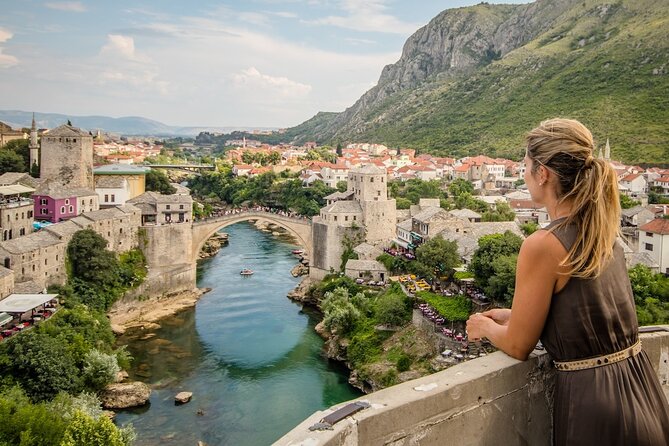
Mostar is an excellent first stop. The Old Bridge, or Stari Most, arches over the Neretva River and anchors a compact old town of stone lanes, shops, mosques, and Ottoman-era buildings. You get about an hour here, enough for a guided orientation and some photographs, but not enough for a slow exploration of every lane.
The visit to Bišćevića Kuća adds useful depth. This 17th-century riverside house shows how a wealthy Ottoman family lived, with a more intimate feel than another grand public monument. I like this pairing: Mostar gives you the famous image, while the house explains the domestic world behind it.
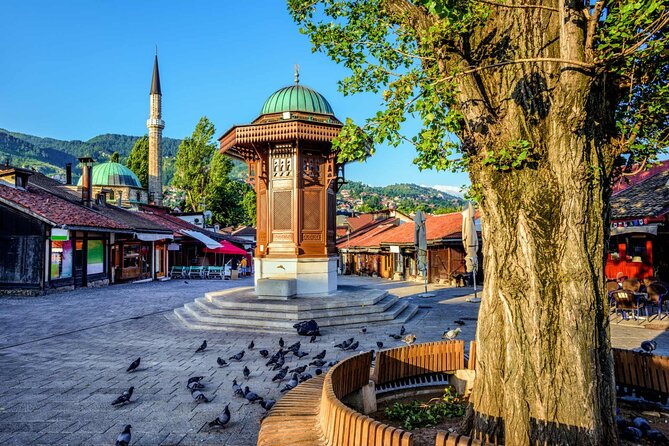
Sarajevo follows on day two. The city brings together Ottoman, Austro-Hungarian, Jewish, Catholic, and Orthodox traditions in a relatively compact center. You will see bullet holes and cannon marks, reminders of the 1990s war, alongside markets, mosques, churches, and old civic buildings.
At Latin Bridge, you learn how the assassination of Archduke Franz Ferdinand helped trigger the First World War. The stop is not only about one bridge. It shows how Sarajevo has repeatedly become a meeting point, and sometimes a pressure point, between larger political forces.
The complimentary Ottoman-style coffee or tea at Caffe Divan is a small but welcome touch. It gives you two hours to slow down, ask questions, and watch city life instead of rushing from one monument to the next. Bring shoes with a firm sole, since some parts of the Sarajevo visit include uneven ground and ruined areas.
A handful more Dubrovnik days to weigh up
- Mostar and Kravice Waterfalls Tour from Dubrovnik (Semi-Private)
★ 5.0 · 3,125 reviews - Dubrovnik: Blue & Green Caves Private Boat Tour with Drinks
★ 4.7 · 814 reviews - Dubrovnik Private Speedboat Tour to Elaphite Islands with Drinks
★ 5.0 · 660 reviews
Blagaj and Montenegro: rivers, walls, and the Adriatic coast
Blagaj is a short trip from Mostar, but it feels like a change of scene. The Buna River rises from a dramatic cliff beside an Ottoman-era town, creating a cool, green setting. The visit lasts about an hour, so think of it as a scenic and cultural stop rather than a long walk.
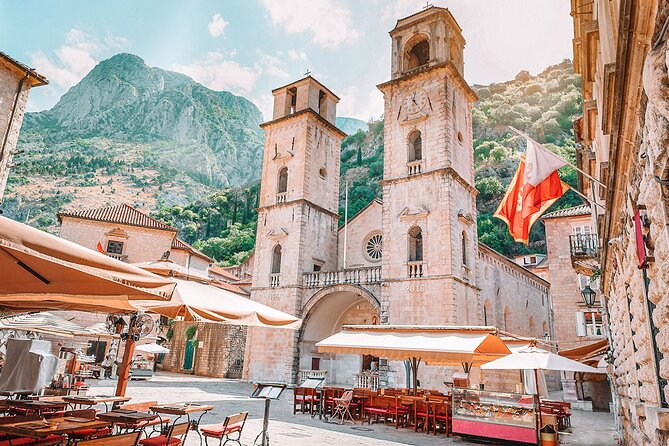
Kotor is one of the route’s major rewards. Its old town is enclosed by mountains and medieval walls, with narrow stone streets designed to confuse would-be attackers. You visit St. Luke’s Church and then have free time to explore on your own.
Two hours is enough to get your bearings, find a café, and inspect the small plaques that explain the old buildings. It is not enough if you want to climb high into the fortifications or examine every church. If Kotor is a priority, use your free time carefully and wear shoes suited to polished stone.
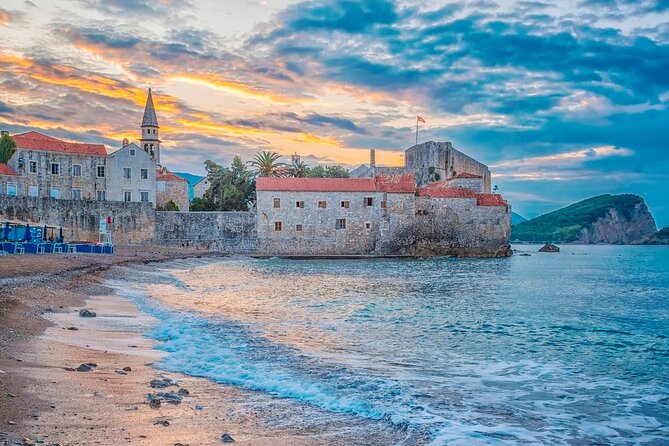
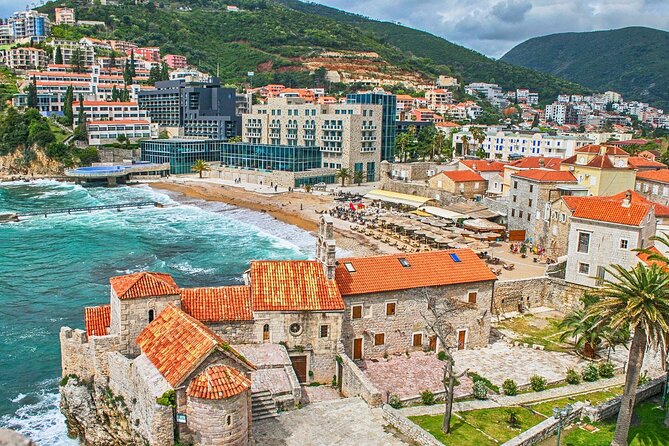
Budva offers a different version of Montenegro. The new town has modern buildings, restaurants, shops, and bars, while the old center contains churches and medieval streets. The planned visit is only about an hour, so it works best as a concise introduction rather than a full coastal stay.
Sveti Stefan is a photo stop from the mainland. The former fishing village now operates as an exclusive residential resort, and you cannot visit the island itself. That limitation is worth knowing in advance. You stop for the view, not for an island tour.
Northern Albania and Kosovo: crafts, food, and layered faiths
Shkoder introduces northern Albania with a visit to Rozafa Castle. From its hilltop position, you look toward the lake and the rivers flowing toward the Adriatic. The city has Venetian influence, and the Venetian mask workshop gives you a close look at handmade papier-mâché masks, painted and decorated by hand.
The next day shifts the focus from monuments to food at Mrizi i Zanave. This slow-food farm uses regional products and has adapted old communist-era buildings for storage and production. You have time to walk around, learn how the farm operates, and buy local products or eat a traditional lunch.
I value this kind of stop because it connects food with employment and local business. The farm has helped create jobs for more than 400 people in the surrounding area, giving you a clearer view of how rural tourism can support a community.
Prizren is one of the strongest city visits on the itinerary. Its river, bridges, old houses, mosques, and Ottoman details make it easy to explore on foot. The Sinan Pasha Mosque is the key interior visit, with patterned decoration and strong color.
The Kalaja Fortress sits above town and gives you a wide view over Prizren. The climb and uneven streets require reasonable mobility, but the view makes the effort worthwhile. You also get free time, which is useful for browsing filigree silverwork and trying local food.
Gjakova brings you to Kosovo’s largest old bazaar. Its buildings and workshops reflect repeated destruction and rebuilding through the Balkan wars, the Second World War, and the Kosovo War. This is a good place to watch artisans at work and buy something made locally rather than a generic souvenir.
The Monastery of Dečani provides a striking change of religious tradition. Orthodox monks still live there and produce food such as cheese, while the 14th-century frescoes explain its UNESCO status. Access to religious sites can depend on local conditions, so your tour leader’s instructions matter here.
Rahovec adds wine to the route. Grapes have been cultivated in this valley since Illyrian times, and its vineyards sit on gentle hills between 350 and 520 meters above sea level. September brings an annual wine festival, though the tour itself does not promise festival dates.
Kruja and Tirana: Albania through history and daily life
Kruja is tied to Albanian resistance against Ottoman expansion and sits on rocky ground above central Albania. Its old bazaar is one of the largest and oldest in the Balkans, with wooden shops and narrow lanes that feel made for slow browsing.
The castle visit includes hidden routes once used to leave the fortress during attacks. You also get time for lunch and shopping, especially carpets, jewelry, and handmade goods. This is one of the better places on the route for souvenirs with a clear local connection.
Tirana offers a more everyday view of Albania. A local companion takes you through markets and food stops, beginning with byrek, the flaky pastry filled with ingredients such as cheese, meat, or spinach.
At Tregu Çam, you can browse practical goods, fresh produce, and small market stalls while seeing how locals shop. Pazari i Ri adds a traditional Albanian meal and a taste of grape raki. The food tour is included, but other meals and drinks are not, so budget for them separately.
The Tirana day is valuable because it breaks up the sequence of castles and religious buildings. You see colorful neighborhoods, second-hand goods, market life, and the food people actually eat. If you prefer formal museums and long guided talks, this will feel less structured. If you want daily life, it is one of the trip’s better choices.
Same harbour, a completely different sort of day:
- Blue Cave Small-Group Boat Tour from Dubrovnik
★ 5.0 · 9,360 reviews - Full-Day Dubrovnik Elaphite Islands Cruise with Lunch and Drinks
★ 5.0 · 8,823 reviews - Dubrovnik: Epic Game of Thrones Tour + Lokrum & Saver Option
★ 4.9 · 5,995 reviews - Dubrovnik: Elaphiti Islands Full-Day Cruise with Lunch
★ 5.0 · 5,938 reviews
Ohrid and the eastern route: lake views and quiet water
Struga is a brief stop at the source of the Drini River before you continue to Ohrid. The schedule allows about an hour, so expect a drink and a short look rather than a full town visit.
Ohrid deserves more time. The lake and city have UNESCO status, and the viewpoint at St. John at Kaneo is one of the classic scenes on the route. The old town climbs above the water with narrow streets, small yards, and houses designed to make the most of the slope.
Ohrid is also known for its many Orthodox churches, traditionally counted as one for each day of the year. You have about two hours for the main visit, plus a stop at the National Workshop for Handmade Paper. There you can see paper made with techniques dating to the time of Gutenberg and buy a small sheet as a souvenir.
Day ten takes you to St. Naum Monastery near the source of the Crni Drim. Clear spring water, trees, and mountain views make this one of the trip’s calmer settings. The monastery entry is included, and the site sits within Galicica National Park.
Tushemisht and Drilon continue the water theme. Tushemisht has local sellers offering honey, preserves, herbs, and handmade goods. Drilon has springs, a small lake, and willow trees. These are gentle stops after the heavier historical visits, though they are brief.
Berat and Gjirokaster: Albania’s stone towns
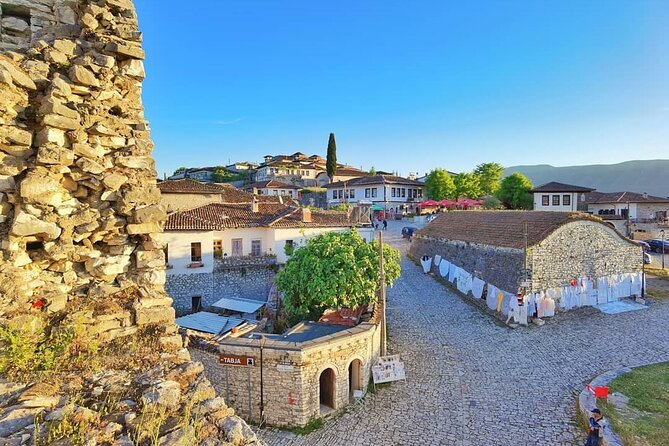
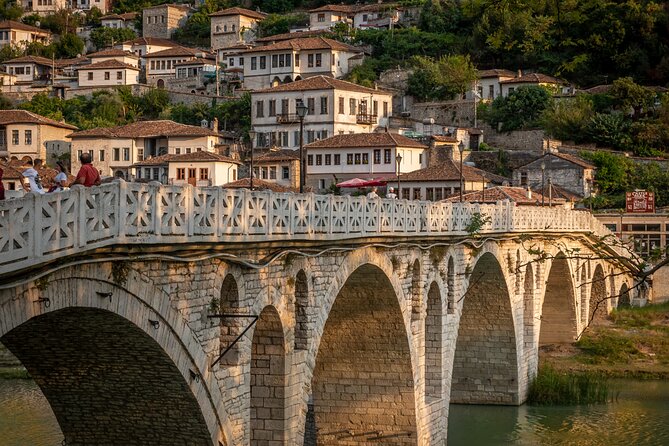
Berat is known for its stacked white houses, often called the town of 1,001 windows. The old streets climb toward a castle where people still live inside the walls. That detail makes the fortress feel like a neighborhood rather than a preserved shell.
Inside, you visit the Berat Castle and the National Iconographic Museum Onufri. The museum focuses on the church painter Onufri, known for a distinctive red color that remains difficult to copy. Gorica Bridge and the Gorica neighborhood complete the visit with views back toward the hillside houses.
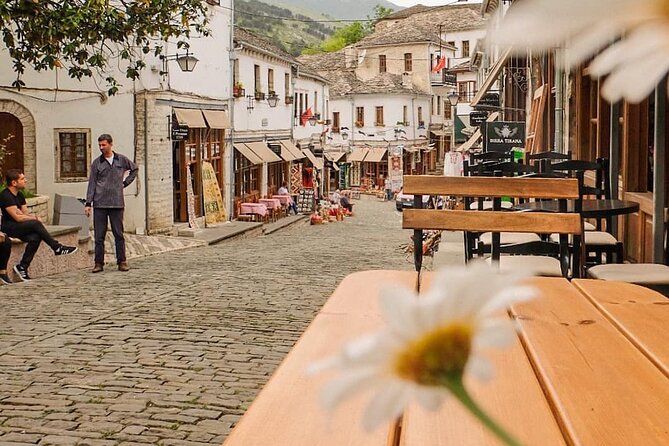
Gjirokaster has a harder, more fortified character. Its stone houses resemble small defensive buildings, and the castle sits above an old bazaar lined with craft shops. You visit a well-preserved historic house where the interiors remain authentic, helping you understand how people lived in this mountain town.
The schedule gives Gjirokaster more time than some other stops, about three hours across the two visits. Still, the streets are steep and paved with stone, so comfortable shoes are essential. Lunch at The Barrels family winery gives you a relaxed countryside break and a chance to sample local flavors.
Ioannina and Meteora: the Greek finish
Ioannina is your introduction to Greece. Its old town combines Byzantine and Ottoman remains, with cobbled lanes and a castle enclosing historic buildings and cafés. One hour is short, but it provides a useful first look before the drive onward.
Meteora is the visual climax. Monasteries sit on tall rock formations, creating one of the most unusual sacred settings in Europe. The plan includes entry and time for sunset, when the rocks and sky change color.
Here is the important limitation: two hours is not much time for Meteora. You may see the major viewpoints and one monastery, but you should not expect a slow visit to several mountaintop monasteries. One past itinerary also found the final drive from Kalabaka to Athens long, with limited sightseeing along the way.
On day 14, the tour leader drops you at your Athens hotel. The program also gives an alternative ending at Igoumenitsa Port, with ferry tickets included for Corfu. Confirm which ending applies to your booking before you commit to flights or ferry connections.
What the $6,020.56 price really covers
At $6,020.56 per person, this is an expensive trip. The listed price is calculated around double, twin, triple, or quad occupancy in 3-star hotels, so the room arrangement affects the value. You are paying for a private vehicle, professional tour leader, fuel, road taxes, international car insurance, tourist taxes, breakfasts, site entries, and border-crossing logistics across seven countries.
The group maximum of 10 also matters. You get more flexibility than on a large coach tour, and a small vehicle is better suited to narrow old-town roads and mountain routes. Past guides have included Sokol, Eri, Juli, Neli, and Gerion. Ask who will lead your departure, since the guide shapes the experience.
Breakfast is included for all 13 nights, but lunches, dinners, drinks, snacks, and personal purchases are extra. The farm, winery, Tirana food tour, and coffee in Sarajevo help, but you still need a daily food budget.
The strongest value comes if you want the route handled for you. Planning seven countries, border crossings, hotels, fuel, tickets, and driving would take serious effort. The weaker value comes if you prefer slow travel, luxury hotels, or several free days in each major city.
Who should book this Balkan route?
You should consider it if you want a broad first look at the Balkans and enjoy changing scenery almost every day. It suits people who like history, religious architecture, regional food, small towns, and guided context more than beach time or nightlife.
You should think twice if long drives wear you down, if you need a leisurely morning, or if you want deep exploration of Sarajevo, Kotor, Ohrid, or Meteora. Some days cover a lot of road for a short visit, and the itinerary occasionally feels like a greatest-hits tour.
The walking is not presented as highly technical, but uneven ground, steep old-town streets, fortress paths, and cobblestones are common. Most people can participate, yet sensible footwear and realistic expectations about walking will make the trip easier.
The booking is non-refundable and cannot be changed for any reason. That is a serious financial condition for a costly trip, so make sure your dates, room arrangement, insurance, and Athens or Corfu ending are correct before paying.
FAQ
How long is the Dubrovnik to Athens tour?
The tour lasts approximately 14 days, beginning in Dubrovnik and ending with hotel drop-off in Athens, unless the Igoumenitsa Port and Corfu option applies.
How many countries does the route visit?
The route covers Croatia, Bosnia and Herzegovina, Montenegro, Albania, Kosovo, North Macedonia, and Greece.
What accommodation is included?
The price includes 3-star hotel accommodation with breakfast for all overnights. Pricing is based on double, twin, triple, or quadruple room occupancy.
Are meals included?
Breakfast is included for 13 mornings. The tour also includes one Ottoman-style coffee or tea in Sarajevo and a food tour in Tirana. Lunches, dinners, drinks, and snacks are not included.
How large is the group?
The tour has a maximum of 10 participants and uses private transportation.
Is transportation to Athens included?
Yes. Private transportation and hotel drop-off in Athens are included. The program also offers an alternative ending at Igoumenitsa Port, with ferry tickets included for the ferry to Corfu.
Just added around Dubrovnik
- From Dubrovnik: Private Island-Hopping Customizable Cruise★ 5.0 · 5 reviews
- Traditional Brunch and Painting Class in Old Town Dubrovnik★ 4.7 · 3 reviews
- Elaphiti Islands Private Dubrovnik Boat Unique Experience★ 5.0 · 10 reviews
- Wine Lover’s Tour from Dubrovnik★ 5.0 · 5 reviews
- Full- Day Private Speedboat Tour in Dubrovnik on Elaphiti Islands★ 5.0 · 21 reviews
- Welcome to Dubrovnik Walking Tour★ 5.0 · 36 reviews
- PRIVATE Wine Tour to Konavle country side★ 5.0 · 11 reviews
- Wine tour peninsula Pelješac★ 5.0 · 3 reviews
Private, compared.
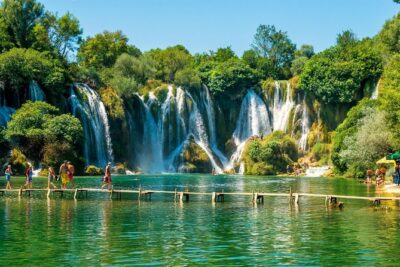
Mostar and Kravice Waterfalls Tour from Dubrovnik (Semi-Private)
Read our review →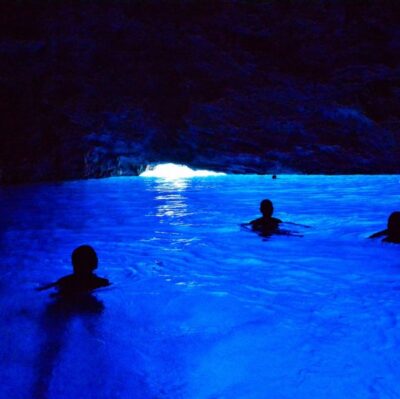
Blue & Green Caves Private Boat Tour with Drinks
Read our review →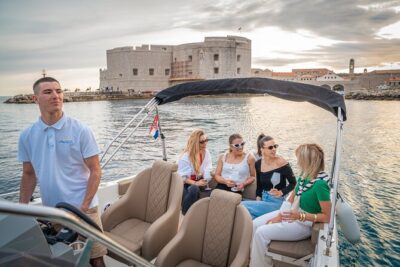
Dubrovnik Private Speedboat Tour to Elaphite Islands with Drinks
Read our review →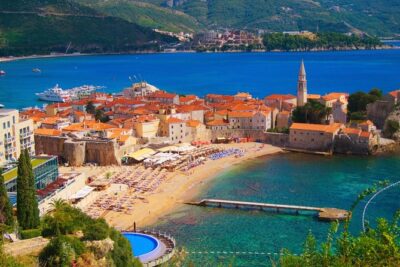
Private Tour: Montenegro Day Trip from Dubrovnik
Read our review →