

Reviewed · DUBROVNIK HISTORY TOURS
Dubrovnik’s History with a Local: the Homeland War Stories Private Tour
Dubrovnik’s Old Town is famous for polished stone, sea views, and medieval walls. This private walk shows you another layer: the 1991 siege, the shelling that damaged historic buildings, and the people who kept living here while more than 5,000 grenades struck the city. Guide Vesna, who lived in the Old Town during the siege, can add personal memories to the wider story.
I like the route for two clear reasons. It visits the Memorial Room of the Defenders of Dubrovnik, then links that small, moving display to real scars still visible around town. I also like the private format, since you can ask direct questions instead of following a large group through a painful and complex subject.
The main consideration is pace. You cover nine stops in about two hours, and the walk begins at Ploče Gate and ends at Pile Gate, with no hotel pickup. You will need moderate physical fitness and enough interest in recent history to give the subject your full attention.
Key points before you book
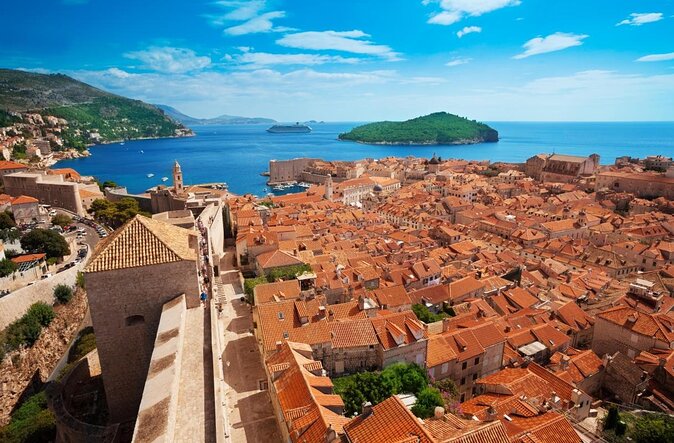
- Personal wartime perspective: Vesna lived in Dubrovnik’s Old Town during the 1991 siege and can explain what daily life felt like from inside the city.
- A different Old Town walk: The route uses familiar sights, including Rector’s Palace and Luža Square, to explain the war rather than medieval architecture alone.
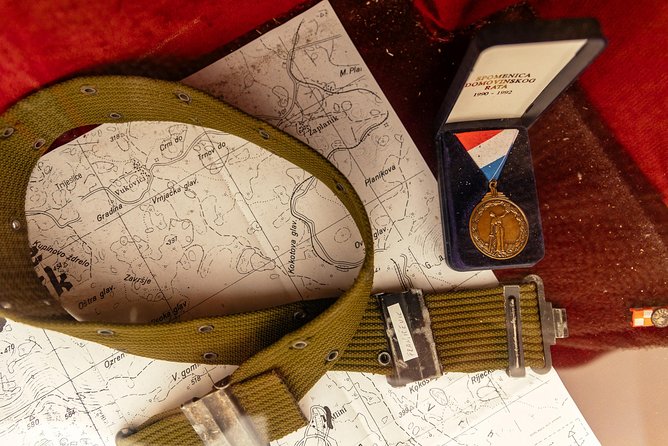
- Memorial Room visit: You see wartime photographs and learn about the defenders of Dubrovnik.
- Visible damage: Repaired churches and marked historic buildings help you connect dates and facts with places in front of you.
- Private two-hour format: Your group has its own local guide, with no other participants joining.
- Useful start and finish: Begin at Ploče Gate and finish at Pile Gate, close to Fort Imperial views and other Old Town walks.
Why Dubrovnik’s recent past changes the usual Old Town walk
Most first visits to Dubrovnik focus on the Republic of Ragusa, stone lanes, churches, and the city walls. Those sights matter, but the Homeland War is not an old footnote here. It is part of living memory, and this walk helps you see how a celebrated historic center became a target during the breakup of Yugoslavia.
The tour focuses on the Croatian War of Independence, especially the attack on Dubrovnik and the siege of the Old Town in 1991. You learn how, why, and when the war began, then connect those facts to buildings and squares you can see with your own eyes.
That local setting gives the subject weight. Instead of hearing only a general account of the war, you can stand in Luža Square and try to picture the city under bombardment. You can look at repaired walls and churches while hearing how the damage affected a place valued for its cultural importance.
The tone is likely to be serious. This is not a light sightseeing stroll with a few war stories added at the end. If you want a fuller picture of Dubrovnik, including grief, fear, repair, and local resilience, the subject makes the walk worthwhile.
More history tours in Dubrovnik:
- Dubrovnik Old Town History Walking Tour
★ 5.0 · 1,684 reviews - Game of Thrones & History of Dubrovnik Tour
★ 5.0 · 628 reviews - Dubrovnik: Old Town History Walking Tour
★ 4.9 · 474 reviews
Starting at Revelin Fortress and Ploče Gate
The meeting point is on Ulica Vrata od Ploča, by Ploče Gate. The route first heads to Revelin Fortress, where the guide takes you back to the day Dubrovnik was attacked for the first time.
Revelin is a strong opening because it places the military side of the story before you enter the Old Town. The fortress is not treated as a free-standing monument only. It becomes a setting for understanding how Dubrovnik was defended and how the attack changed the city.
You then enter through Ploče Gate, one of the main entrances to the UNESCO-listed Old Town. This short section takes about 10 minutes, so expect orientation rather than a long architectural lecture.
The start is practical for anyone already in central Dubrovnik, but you must make your own way there. Hotel pickup and drop-off are not included. The route ends at the opposite side of the Old Town, so plan your onward walk from Pile Gate rather than expecting to return to the starting point.
Reading the scars between the stone streets
The central Old Town section lasts about 25 minutes and is the longest single part of the walk. Here, you learn how the war affected historic buildings while moving through the streets.
This is where a local guide can add the most value. Dates and military events can be difficult to picture in a textbook. In the Old Town, the damage has a physical reference point. A repaired facade, a changed roof, or a building with visible marks gives the story a shape.
You should pay attention to the contrast between the city’s polished appearance and the evidence of repair. Dubrovnik has been maintained for centuries, and many visitors see only its restored beauty. This tour asks you to notice what restoration cannot fully erase.
With a private guide, you can ask about particular buildings or pause when something catches your eye. That flexibility matters on a topic where your questions may be as useful as the prepared route. It also means the quality of the experience depends partly on the guide’s ability to explain clearly and handle personal material with care.
Luža Square and the scale of the shelling
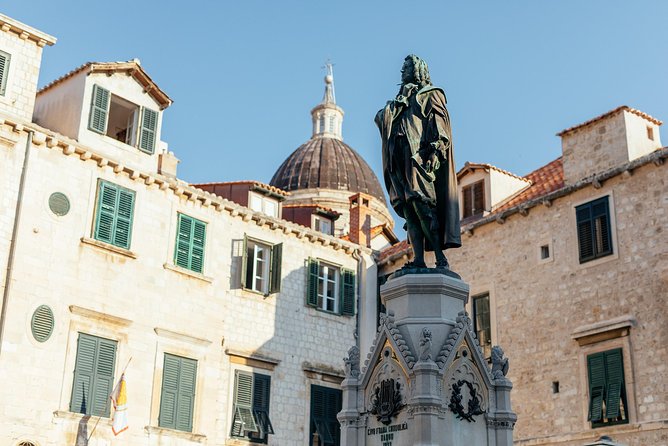
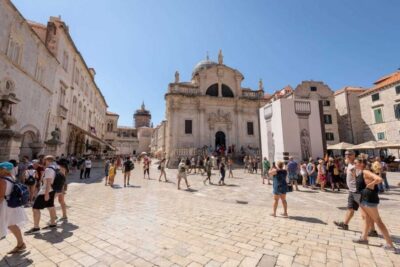
At Luža Square, the guide asks you to imagine the city being hit by more than 5,000 grenades. The stop takes around 10 minutes, but the number gives the discussion a clear sense of scale.
Luža is also a useful place to grasp why Dubrovnik’s wartime story can feel startling. You are standing in a compact historic center, surrounded by buildings that appear orderly and carefully preserved. The figure of 5,000 grenades forces you to think beyond the postcard view.
This stop may be one of the most affecting parts of the tour, but it is not designed as a dramatic show. The point is to connect the square’s ordinary public role with the danger it faced. Your guide can help explain how a space used for daily life became part of a city under attack.
Same harbour, a completely different sort of day:
- Blue Cave Small-Group Boat Tour from Dubrovnik
★ 5.0 · 9,360 reviews - Full-Day Dubrovnik Elaphite Islands Cruise with Lunch and Drinks
★ 5.0 · 8,823 reviews - Dubrovnik: Epic Game of Thrones Tour + Lokrum & Saver Option
★ 4.9 · 5,995 reviews - Dubrovnik: Elaphiti Islands Full-Day Cruise with Lunch
★ 5.0 · 5,938 reviews
The Memorial Room of the Defenders
The Memorial Room of the Defenders of Dubrovnik is a central stop, with about 10 minutes set aside for photographs taken during the war. The room gives names and faces to a subject that can otherwise remain abstract.
I especially value this part because it narrows the focus. The tour moves from military events and damaged architecture to people who defended the city. Photographs can show the human cost more directly than a broad account of troop movements or political change.
The visit is included in the route, with no separate admission charge listed. It is a small stop, so do not expect a long museum visit. Instead, treat it as a concentrated memorial within a walking tour.
A personal guide can help you understand what the photographs mean in a local setting. Vesna is particularly suited to this subject because she lived in the Old Town during the 1991 siege. Her firsthand account was described as heartbreaking and especially compelling to people with a military background, including former US Navy visitors.
Rector’s Palace and the practical side of wartime life
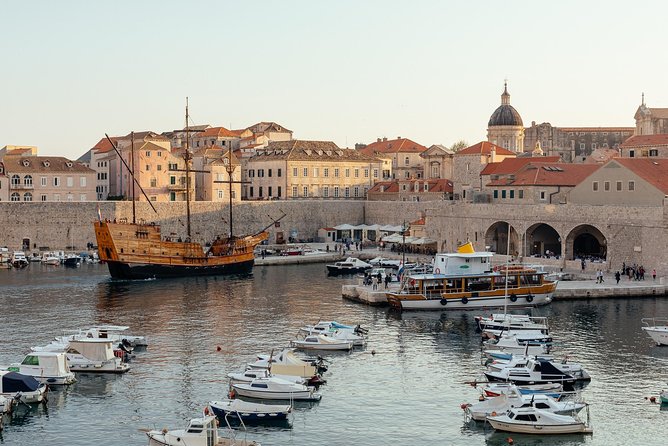
Rector’s Palace provides a visual pause from the memorial material. You look at one of Dubrovnik’s most impressive buildings while the guide explains local daily life during the war.
That shift is important. Wars are often told through attacks, dates, and casualty figures, but residents still had to manage ordinary needs. A conversation about daily life helps you consider what it meant to live, work, move around, or remain in the Old Town while the conflict unfolded.
You do not enter the palace as part of the stated tour. The stop lasts about 10 minutes and uses the exterior as a place for explanation. If you want an extended palace visit, you would need to arrange that separately.
This is another reason the private format helps. You can ask practical questions about how the city functioned without worrying about slowing down a large party. The tour’s purpose is not to cover every room or monument, but to make familiar places speak to a more recent past.
Two repaired churches and the ferry story
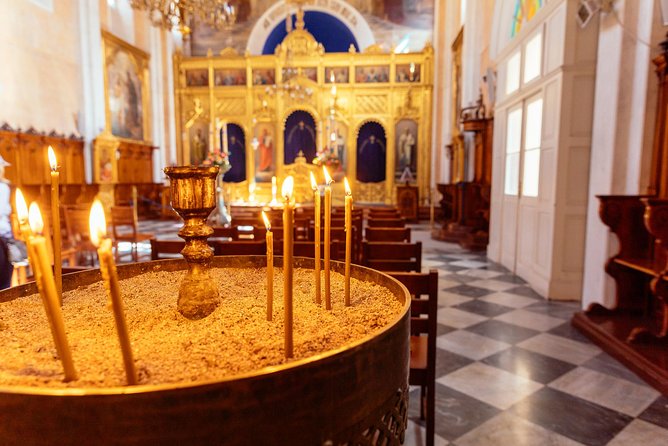
The Church of the Holy Annunciation is a repaired Orthodox church, and the stop lasts about 15 minutes. Here, the guide also explains the situation on the ferries during the war.
That combination connects religious buildings with movement and access. A city under attack is not only dealing with damage to walls. People also need ways to leave, bring supplies, and maintain contact with the outside world. The ferry discussion broadens the tour beyond what happened inside the Old Town itself.
At the Church of St. Salvation, you see places where war damage remains visible. This stop takes around 10 minutes and gives you another chance to compare repair with preservation.
The two church stops are useful for readers who care about architecture, but the focus is not a standard church tour. You are looking at the buildings as evidence of what happened to Dubrovnik. Some damage has been repaired, while other marks can still be seen, giving the route a visual record that no map alone can provide.
Finishing at Pile Gate with Fort Imperial in view
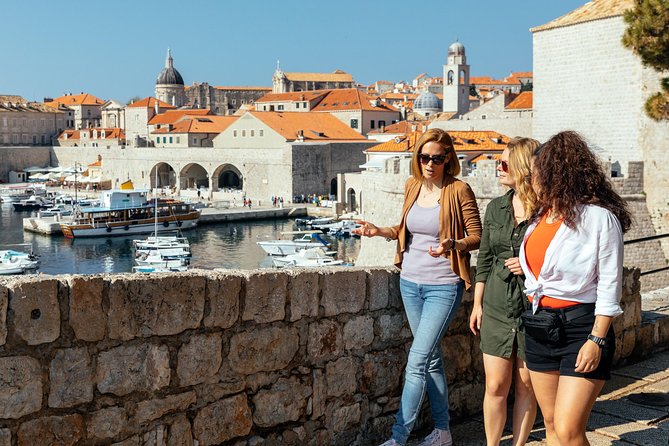
The tour ends at Pile Gate after about 15 minutes. From here, you can also see Fort Imperial, adding one last military reference point to the route.
Ending at Pile Gate makes practical sense. It places you on the other side of the Old Town, where you can continue with other sightseeing or simply find your way onward. It also gives the walk a clear beginning and end rather than circling back to the starting point.
The route covers a lot in two hours. You visit Revelin Fortress, Ploče Gate, the central Old Town, Luža Square, the Memorial Room, Rector’s Palace, two churches, and Pile Gate. That variety keeps the walk moving, but it also means the guide cannot spend a long time at every location.
If one subject grabs you, ask about it during the walk. A private tour is most useful when you treat it as a conversation, not just a fixed sequence of stops.
What the $83 price means in practice
The listed price is $83 for a private experience with a local guide. No food, drinks, or hotel transfers are included, and the stops are listed with no admission fees. Group discounts are available, which may improve the value if you are sharing the tour with several people.
The key value is not the number of sights. You could pass many of these buildings on your own. You are paying for the links between them, the explanation of the war, and the chance to ask questions in a private setting.
For two people, the price may feel higher than joining a standard group walk. In return, you avoid a one-size-fits-all presentation and may get a more personal account, especially if Vesna is your guide. For a family or larger private group, the group discount could make the cost easier to justify.
The tour does not include entry to the city walls or a long museum visit. If those are your main goals, this is not the right place to spend your entire sightseeing budget. If you want the Homeland War explained at street level, the price is easier to defend.
Who will get the most from this tour
I would choose this walk if you have already seen Dubrovnik’s main medieval sights and want to understand the city as a living place. It also suits anyone with a serious interest in modern European history, military history, memorials, or the breakup of Yugoslavia.
People with a military background may find the firsthand account especially useful. Vesna’s experience of living in the Old Town during the siege gives the subject a personal frame that a general city tour is unlikely to provide.
You should also book it if you prefer private tours and direct conversation. The guide can respond to your questions, explain details at a natural pace, and focus on the parts of the story that matter most to you.
I would be more cautious if you want a relaxed architectural walk or a broad introduction to Dubrovnik. The tour deals with shelling, death, damaged buildings, and wartime fear. It is suitable for visitors prepared for a sober subject, not for anyone seeking only pretty streets and easygoing sightseeing.
The route requires moderate physical fitness. You walk between nine locations, and the tour lasts about two hours. Wear comfortable shoes and arrive ready to keep moving, since the schedule gives each stop a limited amount of time.
Should you book the Homeland War Stories tour?
Book it if you want to see Dubrovnik beyond its medieval facade. The strongest reasons are the private format, the Memorial Room, the visible damage around the Old Town, and the chance to hear Vesna’s personal memories of the 1991 siege.
Skip it if you want interior visits, food, transport, or a general city orientation. For the right audience, this is a focused and human tour that makes familiar streets harder to see in quite the same way afterward.
Free cancellation is available if you cancel at least 24 hours before the start time. Changes or cancellations inside that window are not accepted for a refund, so keep the timing in mind when you book.
FAQ
How long does the Homeland War Stories tour last?
The tour lasts approximately two hours.
Is this a private tour?
Yes. Only your group participates, and a local guide leads the experience.
Where does the tour start?
It starts at Ulica Vrata od Ploča, by Ploče Gate in Dubrovnik.
Where does the tour end?
The tour ends at Pile Gate on the other side of Dubrovnik’s Old Town.
Is hotel pickup included?
No. Hotel pickup and drop-off are not included.
What happens if I cancel?
You can receive a full refund by cancelling at least 24 hours before the experience start time. Cancellations or changes made less than 24 hours before the start time are not accepted for a refund.
Just added around Dubrovnik
- From Dubrovnik: Private Island-Hopping Customizable Cruise★ 5.0 · 5 reviews
- Traditional Brunch and Painting Class in Old Town Dubrovnik★ 4.7 · 3 reviews
- Full- Day Private Speedboat Tour in Dubrovnik on Elaphiti Islands★ 5.0 · 21 reviews
- Elaphiti Islands Private Dubrovnik Boat Unique Experience★ 5.0 · 10 reviews
- Wine Lover’s Tour from Dubrovnik★ 5.0 · 5 reviews
- Welcome to Dubrovnik Walking Tour★ 5.0 · 36 reviews
- PRIVATE Wine Tour to Konavle country side★ 5.0 · 11 reviews
- Wine tour peninsula Pelješac★ 5.0 · 3 reviews
Dubrovnik History Tours, compared.


Dubrovnik History, Sweets & Liquors in a Private Palace (PRIVATE)
Read our review →Browse the lists this tour appears in