
Reviewed · DUBROVNIK
Olive farm & village
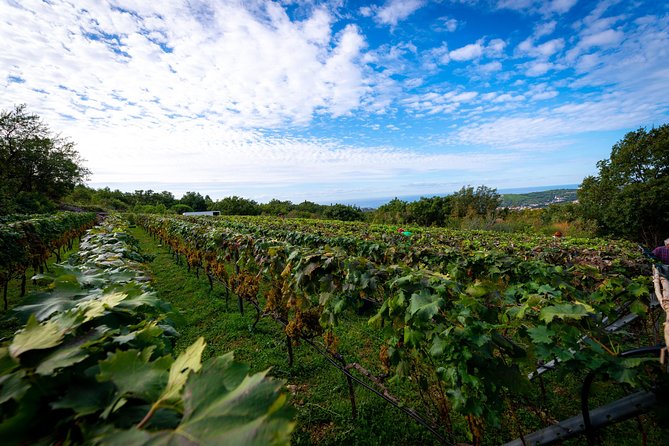
Just outside Dubrovnik, Vardia farm trades city walls for olive terraces, fruit trees, vineyards, and a broad view of the Adriatic. Guide Ivica Vlašić leads you through land his family has worked for centuries, stopping to explain the crops and offer tastes along the way.
I like the small group of no more than eight and the easy hotel pickup. I also like that the tasting is tied to the farm itself: bread, olive oil, wine, fruit, and liqueurs all make more sense after you have seen where they come from. The one thing to consider is the uneven 30-minute walk, so sensible shoes and moderate fitness matter.
Vardia Farm in a nutshell
- Only 15 minutes from Dubrovnik Old Town: You get a quick scenic ride from the city to a quiet rural setting near the Bosnia and Herzegovina border.
- Ivica Vlašić guides the visit: His family connection gives the walk a personal focus, with stories about farming, land, and local produce.
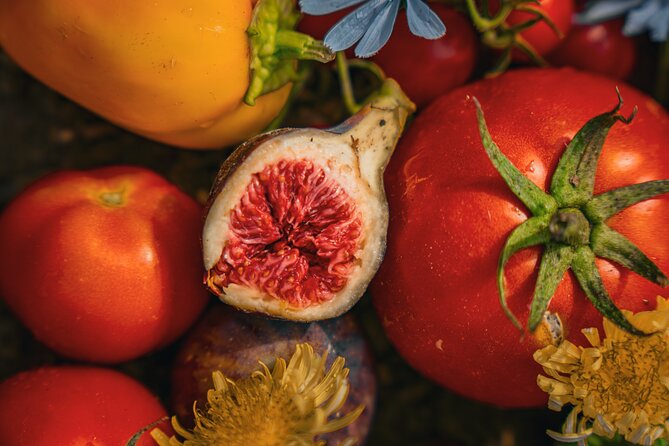
- A working farm, not just a tasting room: You may see olives, grapes, figs, pomegranates, almonds, herbs, vegetables, and fruit trees along the route.
- Tasting comes after the walk: Try olive oil with homemade bread, salt, and vinegar, along with white wine and homemade liqueurs.
- Small and personal: The maximum group size is eight, and the visit can continue even when only two people book.
- Plan for a hill: The walk goes down and back up through olive groves, an organic farm, and old oak woods.
Leaving Dubrovnik for Malaštica Hill
The tour begins at 8:30 in the morning, with pickup in front of your hotel or at an agreed meeting point in the Dubrovnik area. That takes away one annoying part of a short excursion: finding a taxi or figuring out an unfamiliar rural road.
The drive to Vardia farm takes about 15 minutes from Dubrovnik Old Town. The farm sits on Malaštica Hill, around 200 metres above the Adriatic, close to the border with Bosnia and Herzegovina. You are still near the city, but the setting changes quickly from stone streets and busy waterfronts to trees, terraces, and open views.
I find this short transfer especially useful if your Dubrovnik schedule is tight. You do not lose half a day getting to the countryside. The roughly two-hour-and-45-minute outing gives you a genuine change of pace without requiring a full-day commitment.
Pickup is offered from hotels and meeting points in the Dubrovnik area. If you are staying outside that area, confirm the arrangement before booking rather than assuming transport is included.
More farm and smallholding visits in Dubrovnik:
- Oyster farm experience / Private day trip from Dubrovnik
★ 5.0 · 29 reviews
Walking through centuries of family farmland
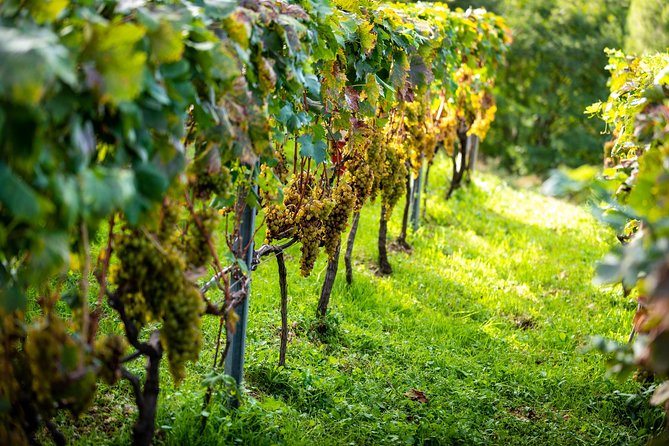
Once you arrive, the visit becomes a guided walk. Ivica takes you down and back up through the farm, passing olive trees, an organic garden, vineyards, and an old oak forest. The route is described as an easy hike, but it is still a hill walk on rural ground rather than a smooth city pavement.
That difference matters. Wear sturdy, comfortable shoes with a good grip. One useful tip is to avoid treating this as a sandals-and-dress outing, even if the morning feels warm. The walk is moderate and includes about 30 minutes of walking, with the path rising and falling through the property.
The farm has been in the Vlašić family for centuries, and the visit gains much of its appeal from that connection. You are not simply hearing a broad explanation of Croatian olive oil production. You are seeing the trees and plots that have shaped one family’s daily life, then tasting some of what the land produces.
Ivica’s approach also appears personal rather than rushed. He shares what he learned through education and through working in the fields with his father and grandfather. That makes the countryside itself the classroom. You learn by walking, looking, smelling, and tasting rather than sitting through a long formal talk.
Fruit trees, herbs, vegetables, and three goats
Vardia is more than an olive farm. The walk may include pomegranates, winter oranges, figs, cherries, plums, almonds, grapes, blueberries, blackberries, bay trees, rosemary, and wildflowers. Vegetables such as tomatoes, potatoes, and bell peppers are also part of the farm’s story.
Depending on the season, Ivica may pick something from the property for you to taste. Fresh figs, almonds, tomatoes, and other produce have been part of the visit for some groups. The exact selection will depend on what is ripe, so you should not arrive expecting one fixed fruit menu.
You might also meet the farm’s three goats. They are a small detail, but they help make the place feel like a working family property rather than a stage set for visitors.
This is one of my favorite parts of the outing. Olive oil tours can sometimes focus so tightly on the finished bottle that you forget the work behind it. Here, you see a wider food system: fruit trees, herbs, vegetables, vines, animals, and olive groves sharing one piece of land.
The olive oil tasting with bread
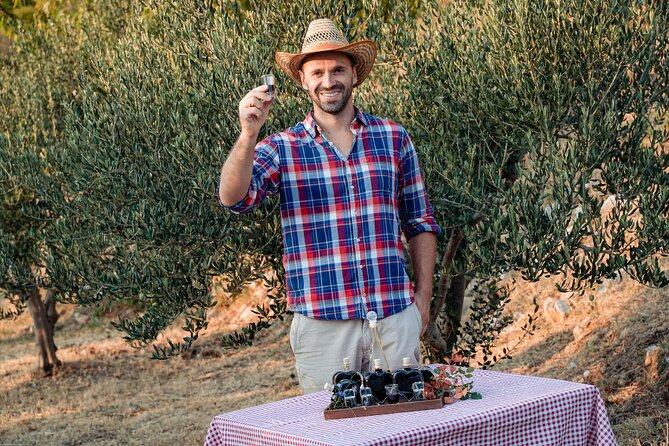
The tasting centers on olive oil served with homemade bread. You taste the oil in three ways, using bread, salt, and vinegar. That simple setup lets you notice how the same oil changes when paired with different flavors.
The bread matters, too. It gives the tasting a local, homemade feel rather than making the oil seem like a product sample in a shop. The visit may also include homemade shortbread, apricot jam, sugared almonds, or other farm-made treats, but the core tasting described for the tour is olive oil and bread.
You will hear about cultivation and production before tasting the finished oil. That order is useful. After walking among the trees, you have a clearer idea of why olive growing takes patience, handwork, and attention to weather and harvest timing.
The tasting is not presented as a long series of formal pours. If you want a large comparative tasting with many labels, this is not the right choice. The focus is narrower: the farm’s own oil, how it is made, and how it works with food.
Same harbour, a completely different sort of day:
- Blue Cave Small-Group Boat Tour from Dubrovnik
★ 5.0 · 9,360 reviews - Full-Day Dubrovnik Elaphite Islands Cruise with Lunch and Drinks
★ 5.0 · 8,823 reviews - Dubrovnik: Epic Game of Thrones Tour + Lokrum & Saver Option
★ 4.9 · 5,995 reviews - Dubrovnik: Elaphiti Islands Full-Day Cruise with Lunch
★ 5.0 · 5,938 reviews
White wine and homemade liqueurs
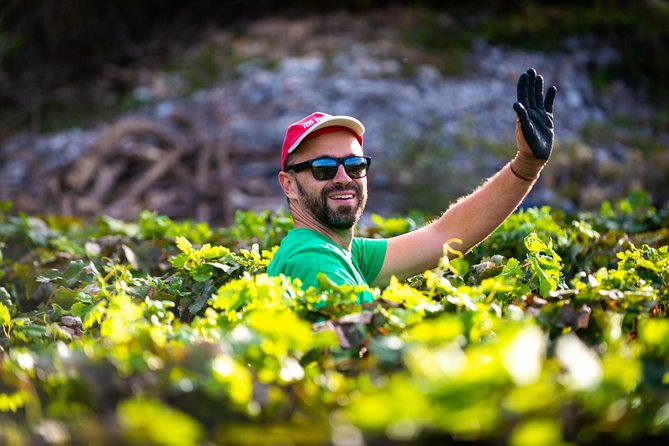
The farm visit also includes white wine and a homemade herb brandy or fruit liqueur. Walnut liqueur, grape brandy, and fruit-based drinks have been part of the tasting, along with a lemon-flavored wine that has been particularly popular with some groups.
Again, the exact lineup can vary. The information for the tour specifies the white wine and a homemade herb or fruit liqueur, not a guaranteed flight of several wines. Think of this as a farm tasting with a few distinctive drinks, not a large commercial winery tour.
That small scale is part of the appeal. You sit down after the walk, eat bread with olive oil, and taste products connected to the property. The setting overlooking the Adriatic does much of the work. It is a quiet place to talk, and the limited group size helps the tasting feel relaxed.
If you do not drink alcohol, check with Vardia before booking to confirm what alternatives are available. Some families have found substitutes for children, but the supplied tour details do not specify a standard nonalcoholic menu.
Why the small group changes the visit
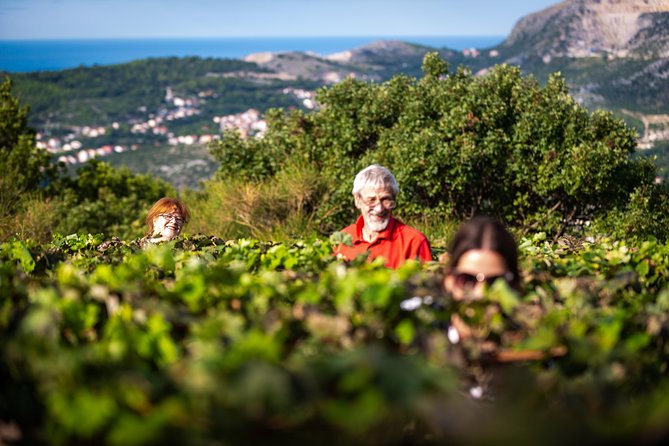
The maximum group size is eight. That is a useful limit for a narrow farm path and a personal guide. You can hear Ivica without a microphone, ask questions while walking, and gather around the table without feeling lost in a crowd.
The experience may still run with only two people booked. That is worth noting if you dislike tours that cancel when demand is low. It also means the tone can vary with the group size. With a very small party, the visit may feel closer to a private farm conversation. With eight people, it remains intimate but less personal.
The guide is the main reason this format works. Ivica Vlašić is both host and storyteller, and the farm is his family’s property. You are not being passed from a driver to a tasting-room employee. The same person connects the ride, the walk, the farming explanation, and the meal.
Is $84.10 a fair price?
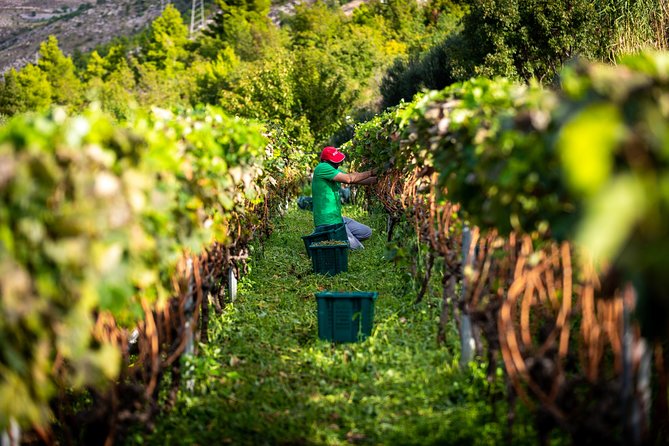
At $84.10 per person, this is not the cheapest way to spend a morning near Dubrovnik. The value depends on what you want from the outing.
You are paying for transportation from the Dubrovnik area, a guided visit to a private family farm, the walk through the property, and the food and drink tasting. The farm is close enough to the city that you are not paying for a long transfer, but far enough away to give you a different setting.
I think the price is reasonable if you value personal hosting and local food more than a large wine-production tour. The visit combines several elements that would be difficult to arrange independently: rural transport, access to the farm, an explanation of olive and fruit cultivation, and a seated tasting.
The value is weaker if you want a full vineyard program with many wines or a long technical lecture on olive oil. This is a short, human-scale outing. Its strength is the connection between the land, the family, and the table.
The average booking lead time is 57 days, so you should reserve early if your dates are fixed. That is especially sensible during Dubrovnik’s busy season, when small-capacity experiences can fill before larger excursions.
Who will enjoy this farm visit?
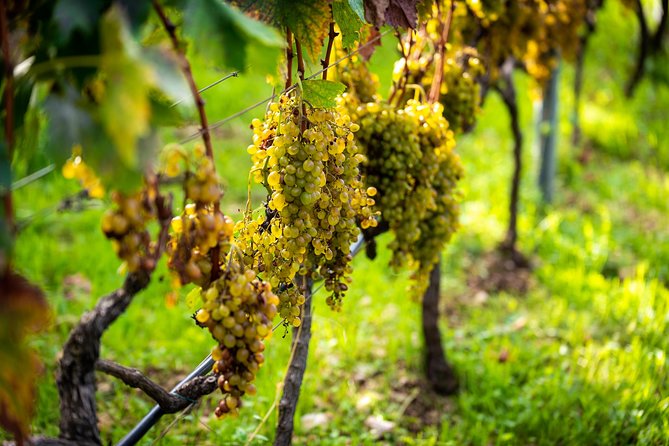
I would recommend Vardia farm to you if you want a break from Dubrovnik’s crowds and enjoy food with a sense of place. It suits couples, small families, solo visitors, and anyone curious about everyday Croatian farming.
It is also a good choice for people who prefer a personal guide to a polished production facility. The centuries-old family connection, the old terraces, and the mix of fruit, herbs, olives, and vines give the visit a broad local flavor.
Families should ask about the tasting options for children before arrival. Children may enjoy the fruit tasting, vegetables, farm animals, and open-air setting, but the route still includes a hill walk.
You should think twice if you have trouble walking on uneven ground or dislike heat and outdoor exposure. The activity requires moderate physical fitness, and the walk goes downhill and uphill. The listing allows service animals, but the path and farm conditions may still be worth discussing with the provider in advance.
Timing, weather, and cancellation
The morning start at 8:30 gives you a cooler part of the day and leaves the afternoon open for Dubrovnik. It also means you need to be ready for pickup early, particularly if your accommodation is not close to the Old Town.
The tour requires good weather. If poor weather forces a cancellation, you will be offered another date or a full refund. You can cancel for a full refund up to 24 hours before the start time. Changes or cancellations made less than 24 hours ahead are not accepted and are not refunded.
That policy is worth keeping in mind when planning around a cruise arrival, flight, or other fixed appointment. The farm is outdoors, and the weather affects both the walk and the comfort of the tasting.
Should you book Vardia farm?
Book this if you want a quiet countryside morning close to Dubrovnik, with a family guide, a manageable walk, and food produced or prepared at the farm. The best parts are the personal connection with Ivica Vlašić, the variety of crops, the Adriatic view, and the simple pleasure of fresh bread with olive oil.
Skip it if you want a large winery, a long tasting list, or a completely flat route. For most visitors who have comfortable shoes and a few free morning hours, Vardia offers a rare chance to see the rural side of the Dubrovnik area without giving up an entire day.
FAQ
Where is Vardia farm located?
Vardia farm is on Malaštica Hill, about 200 metres above the Adriatic Sea. It is near the border with Bosnia and Herzegovina and about a 15-minute scenic drive from Dubrovnik Old Town.
How long does the experience last?
The visit lasts approximately 2 hours and 45 minutes.
What time does the tour start?
The tour starts at 8:30 am.
Is hotel pickup available?
Yes. Pickup is arranged in front of hotels or at meeting points in the Dubrovnik area.
How much walking is involved?
The visit includes an easy but moderate hike down and back up through olive groves, the organic farm, and an old oak forest. About 30 minutes of walking is specified.
What food and drinks are included?
The tasting includes olive oil with homemade bread, salt, and vinegar, plus white wine. You will also taste a homemade herb brandy or a fruit liqueur made with produce from the orchard.
How many people can join the tour?
The maximum group size is eight people.
What happens if the weather is bad?
The activity requires good weather. If it is canceled because of poor weather, you will be offered a different date or a full refund.
Just added around Dubrovnik
- From Dubrovnik: Private Island-Hopping Customizable Cruise★ 5.0 · 5 reviews
- Traditional Brunch and Painting Class in Old Town Dubrovnik★ 4.7 · 3 reviews
- Full- Day Private Speedboat Tour in Dubrovnik on Elaphiti Islands★ 5.0 · 21 reviews
- Elaphiti Islands Private Dubrovnik Boat Unique Experience★ 5.0 · 10 reviews
- Wine Lover’s Tour from Dubrovnik★ 5.0 · 5 reviews
- Welcome to Dubrovnik Walking Tour★ 5.0 · 36 reviews
- PRIVATE Wine Tour to Konavle country side★ 5.0 · 11 reviews
- Wine tour peninsula Pelješac★ 5.0 · 3 reviews