
Reviewed · CAVTAT DAY TRIPS FROM DUBROVNIK
Visit Shell Museum Cavtat
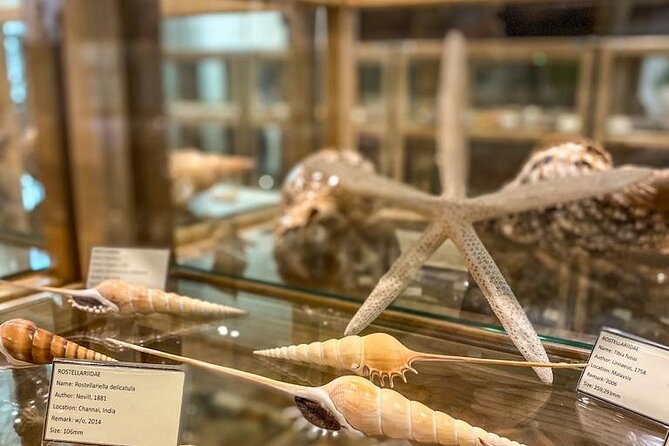
More than 3,500 seashell species are packed into Cavtat’s Glossus Humanus, where nature supplies the colors, shapes, and patterns. The collection comes from oceans around the world, and the displays are labeled so you can browse at your own speed.
I like this museum for two clear reasons: it is cheap and quick, and it makes a useful stop before or after a flight from nearby DBV Airport. Families also get a simple activity that does not require a full afternoon. The main drawback is its short opening window, from 10 a.m. to 4 p.m., so you need to plan around it.
Key points to know before you go
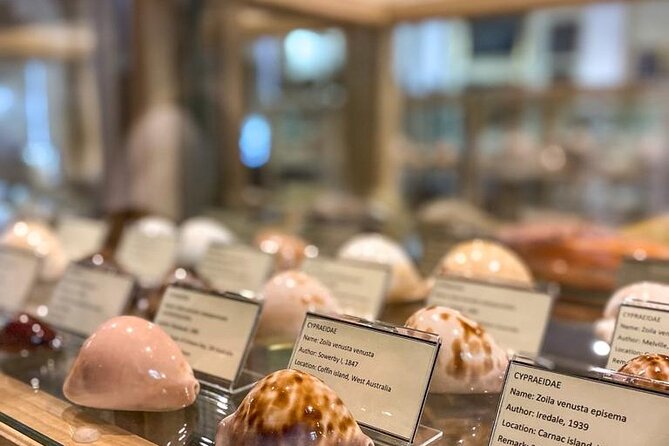
- More than 3,500 species: Expect a broad display of shells in many sizes, colors, and forms, with the guided material also referring to 2,500 species from the world’s oceans.
- About 45 minutes inside: The visit is long enough for a proper look, but short enough to fit between other Cavtat plans.
- A practical airport stop: Cavtat is a useful place to add time near Dubrovnik Airport, especially if you have a gap before a flight.
- Basic admission is $8.41: The price is modest, while the optional audio guide costs 3 euros and the Junior Shell Explorer costs 5 euros.
- Good for children: The collection offers a visual activity for families, and the junior material gives children an added way to engage with it.
- A small, personal collection: The shells were gathered by one family over several generations, giving the museum a clear sense of personal pride.
A shell museum with a surprisingly wide reach
Glossus Humanus is not a grand national museum. It is a focused collection built around one subject: seashells. That narrow purpose is part of the appeal. You are not walking through room after room of unrelated exhibits. You are looking closely at the forms made by marine life.
The collection is described as containing more than 3,500 different species. The guided exhibition information also refers to 2,500 species from all the world’s oceans. Since those figures differ, treat them as an indication of scale rather than a precise count. Either way, the display is far larger than a handful of souvenir shells.
You can expect shells with striking colors and unusual shapes, along with labels that help explain what you are seeing. The displays are arranged for browsing, so you do not need a long attention span or specialist knowledge to get something from the visit.
That makes this a useful contrast to Dubrovnik’s larger historic sights. You are not here for grand architecture or a long tour. You are here to look at the details of nature, learn a few facts, and spend a calm half-hour indoors.
More days out in Cavtat from Dubrovnik:
- Dubrovnik or Cavtat: Lokrum Island and Betina Cave Boat Tour
★ 4.5 · 572 reviews - From Dubrovnik/Cavtat: Blue Cave, Sunj Beach Speed Boat Tour
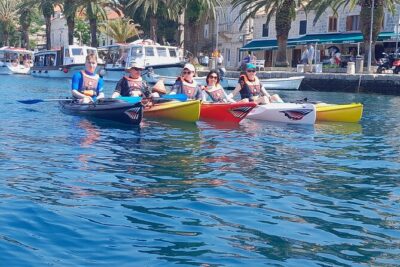
★ 4.8 · 502 reviews - ‘Pomalo’ Guided Sea Kayaking Tour in Cavtat
★ 5.0 · 160 reviews
What happens during the 45-minute visit
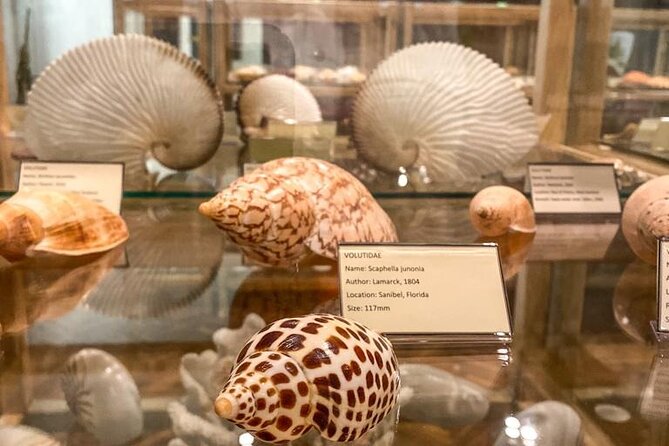
The activity begins and ends at Glossus Humanus, Shell Museum Cavtat, at Svetog Nikole 6 in Cavtat. Basic admission is included, and the visit lasts approximately 30 minutes to one hour, with 45 minutes given as the expected duration.
A guide leads you through the exhibition and adds fun facts about the lives of seashells. The supplied information does not name the guide, so you should not expect a particular person by name. The focus is on the collection and the explanations that bring it into context.
The guided part matters because a shell can otherwise be easy to dismiss as a pretty object. You may notice a spiral, ridge, opening, or color pattern, but the guide helps connect those features with shell formation and marine life. The museum also presents shells from different parts of the world, so the subject reaches well beyond the Adriatic coast.
You can take your time looking at the displays. One of the strongest features is the use of informative labels, which lets you continue learning after the guide has moved on. If you prefer to explore independently, the basic visit still gives you plenty to examine.
There is no separate sightseeing route or second stop. This is one compact exhibition, and the activity returns you to the same meeting point. That simplicity makes it easy to combine with a walk around Cavtat, a meal, or airport travel.
Why the shell collection is worth your time
The collection’s strongest appeal is its range. Shells can look similar at first glance, especially when they are grouped together. Once you see different formations side by side, the variation becomes clearer. Shapes can be smooth, ridged, coiled, pointed, rounded, delicate, or heavily patterned.
The displays also show how much visual variety exists in the world’s oceans. You are not simply seeing a row of beach finds. The collection includes shells gathered over several generations by one family, and that personal connection gives the museum a more intimate feel than a large public institution.
I especially like the fact that the shells are displayed with informative labels. You can enjoy the colors and shapes without reading every word, or stop at the examples that catch your eye and learn more. That flexible pace works well for mixed groups, where one person wants facts and another mainly wants to look.
This is also a useful stop if the weather is poor. The information confirms an indoor exhibition, though it does not promise specific facilities beyond the museum itself. The visit gives you a short break from outdoor sightseeing without demanding a large block of time.
A good-value activity at $8.41
At $8.41 per person, this is one of the easier activities to fit into a Dubrovnik-area budget. The value depends on what you want from a museum. If you need a major historical site with hours of material, this will feel small. If you want an inexpensive, focused stop, the cost makes sense.
The expected visit is around 45 minutes. That works out well when you do not want to commit to a half-day attraction. You pay for admission to a large shell collection, a guided explanation, and the chance to examine the displays at your own pace.
Basic admission is included in the booking price. The optional audio guide app costs 3 euros, and the Junior Shell Explorer costs 5 euros. Those extras are not required, so you can keep the visit at the advertised price. Families may find the junior option useful, but the available information does not describe its activities in detail.
The group limit is 20 people. That is small enough to keep the exhibition from feeling like a mass tour, though the actual atmosphere will depend on how many people are booked at your chosen time. The activity is offered in English.
More museum and gallery tickets in Dubrovnik:
- Dubrovnik: Red History Museum Regular Ticket
★ 4.6 · 134 reviews - Skip the Line: Love Stories Museum Admission Ticket
★ 5.0 · 87 reviews - Museum of Selfies & Illusions Dubrovnik Ticket
★ 4.0 · 23 reviews - Love Stories Museum Skip-the-Line Entrance Ticket
★ 4.5 · 23 reviews
Why Cavtat and DBV Airport make this practical
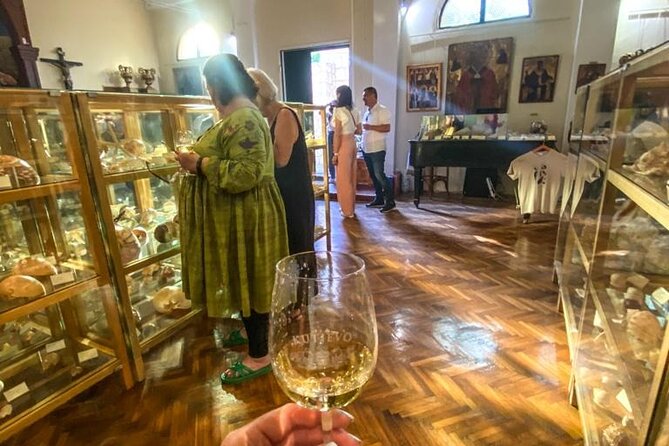
The museum is in Cavtat, not central Dubrovnik. That location is important when you plan your day. Cavtat is close to Dubrovnik Airport, so the museum can work well on the way to or from a flight, provided your schedule allows enough time.
Do not treat a 45-minute museum visit as the full amount of time you need before departure. You still need to account for transport, airport procedures, and possible delays. The museum’s opening hours are 10 a.m. to 4 p.m. daily, so an early-morning flight or late arrival will not fit.
For a better visit, use it during the middle part of the day. If you are already in Cavtat, the museum can fill a short gap between other plans. If you are using it as an airport stop, check your timing carefully before booking.
The meeting point is Svetog Nikole 6, 20210 Cavtat, Croatia. The activity ends there as well. It is near public transportation, which helps if you are not driving, although no specific route or timetable is provided.
What families and children should expect
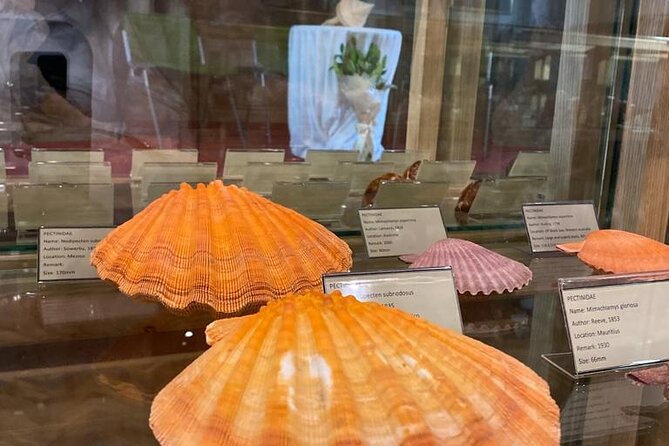
This is a natural choice for families who want something shorter than a major museum. Children can look for the biggest, strangest, or most colorful shells, while adults read the labels and listen to the explanations about shell formation.
The Junior Shell Explorer option costs 5 euros. The available information does not state exactly what it includes, so ask about the contents if that material will affect your decision. It is an optional extra, not part of basic admission.
The visit also has a useful built-in limit. You are not committing children to several hours of galleries. Around 45 minutes gives you enough time to see the collection without making the stop feel like work.
Still, this is a visual museum rather than a hands-on attraction. There is no stated touch area, workshop, or children’s activity program. If your children need movement and interactive exhibits, keep your expectations modest and consider the museum as one short stop within a larger Cavtat outing.
The personal character of Glossus Humanus
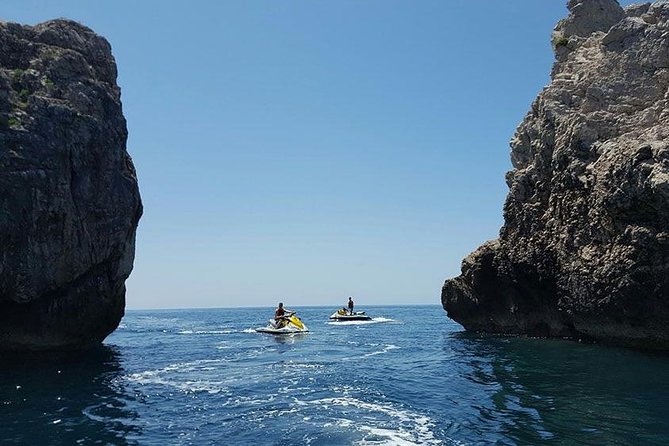
The collection was assembled by one family over several generations. That detail changes how you read the museum. It is not only a display of shells from different oceans. It is also the result of a long-running family interest, with the family clearly proud of what it has built.
The displays are described as carefully arranged and informative. That combination is important. A private collection can sometimes feel like a cabinet of curiosities with little explanation. Here, the labels give the objects more meaning and help you compare the forms in front of you.
You can also expect a more personal welcome than at a large attraction, though the available information does not name staff or promise a specific greeting. The collection’s family background gives it a human touch without requiring you to know anything about shell collecting before you arrive.
Practical details that affect the visit
You receive confirmation at the time of booking, and the ticket is mobile, so you can show it from your phone. The activity is offered in English. Service animals are allowed, and most people can participate.
Opening hours are listed as Monday through Sunday, 10 a.m. to 4 p.m. The hours apply across the stated operating period, but you should still check the date you select when making plans, especially if your visit falls far in the future.
Free cancellation is available if you cancel at least 24 hours before the experience begins. If you cancel less than 24 hours ahead, you will not receive a refund, and changes made inside that same 24-hour period are not accepted. The cut-off uses local time in Cavtat.
The activity has a maximum of 20 people. That limit is helpful in a compact museum because crowded displays can be hard to study. Since the visit can take as little as 30 minutes, you may also be able to adjust your day without losing much time.
Who should book this Cavtat stop
I would choose Glossus Humanus if you enjoy unusual small museums, natural objects, or collections with a personal story. It is also a practical pick for families, budget-conscious visitors, and anyone with spare time near Cavtat or DBV Airport.
You will get the most from it if you like looking closely and reading labels. The museum is not designed as a major all-day attraction, and the short duration is part of its value.
I would be more cautious if your schedule is tight, your flight is early, or you expect a large interactive museum. The 10 a.m. opening time rules out early airport stops, and the collection’s appeal depends on your interest in shells and natural formations.
Should you book Glossus Humanus?
Yes, if you want a low-cost, 45-minute indoor visit with an unusual subject and a convenient Cavtat location. The personal family collection, worldwide shell range, clear labels, and optional English audio guide give the stop more substance than a simple souvenir display.
Book it as a compact addition to your day, not as one of Dubrovnik’s main headline sights. Families should consider the Junior Shell Explorer, while independent adults may be happy with basic admission. Just check the 10 a.m. to 4 p.m. hours and leave plenty of time if you are connecting the visit with a flight.
FAQ
Where is Shell Museum Cavtat located?
The museum is at Glossus Humanus, Shell Museum Cavtat, Svetog Nikole 6, 20210 Cavtat, Croatia.
How long does the visit take?
The visit takes approximately 30 minutes to one hour. The planned duration is about 45 minutes.
What can I see at the museum?
You can see more than 3,500 different seashell species from around the world. The guided exhibition information also refers to 2,500 species from the world’s oceans.
Is a guide included?
A guide leads you through the exhibition and shares facts about seashell life and formations. Basic admission is included.
Is the experience offered in English?
Yes. The activity is offered in English.
How much does admission cost?
The listed price is $8.41 per person. Basic admission is included.
Are there optional extras?
Yes. An audio guide app costs 3 euros, and the Junior Shell Explorer costs 5 euros. Neither is included in basic admission.
What are the opening hours?
The museum is open Monday through Sunday from 10 a.m. to 4 p.m.
Can I cancel for a refund?
Yes. You can cancel for a full refund if you cancel at least 24 hours before the experience starts. Cancellations or changes made less than 24 hours before the start time are not accepted for a refund.
Just added around Dubrovnik
- From Dubrovnik: Private Island-Hopping Customizable Cruise★ 5.0 · 5 reviews
- Traditional Brunch and Painting Class in Old Town Dubrovnik★ 4.7 · 3 reviews
- Full- Day Private Speedboat Tour in Dubrovnik on Elaphiti Islands★ 5.0 · 21 reviews
- Elaphiti Islands Private Dubrovnik Boat Unique Experience★ 5.0 · 10 reviews
- Wine Lover’s Tour from Dubrovnik★ 5.0 · 5 reviews
- PRIVATE Wine Tour to Konavle country side★ 5.0 · 11 reviews
- Wine tour peninsula Pelješac★ 5.0 · 3 reviews
- Welcome to Dubrovnik Walking Tour★ 5.0 · 36 reviews
Cavtat Day Trips from Dubrovnik, compared.
Brand New Mercan Excursion 34 Private Tour From Dubrovnik Cavtat
Read our review →
Browse the lists this tour appears in