
Reviewed · DUBROVNIK HISTORY TOURS
Dubrovnik: Red History Museum Regular Ticket
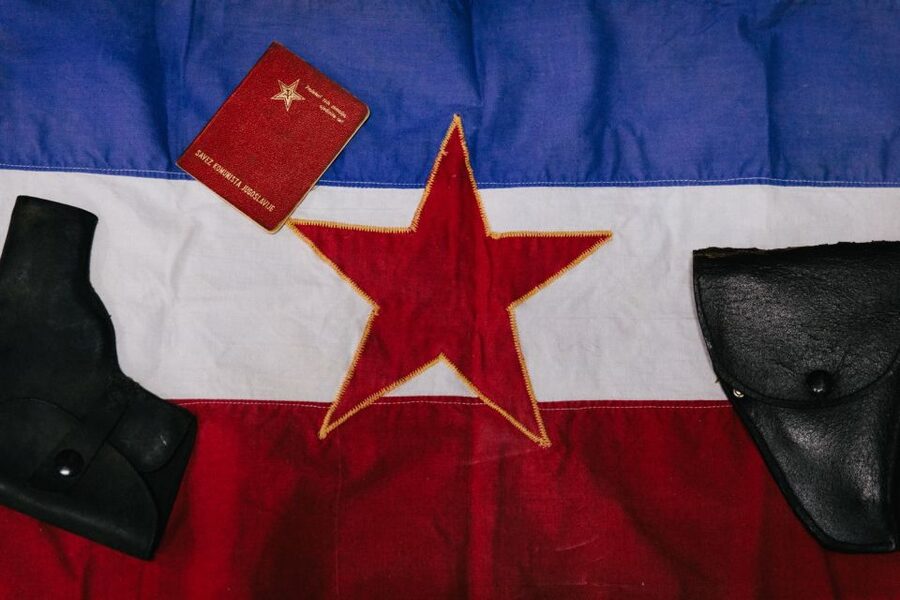
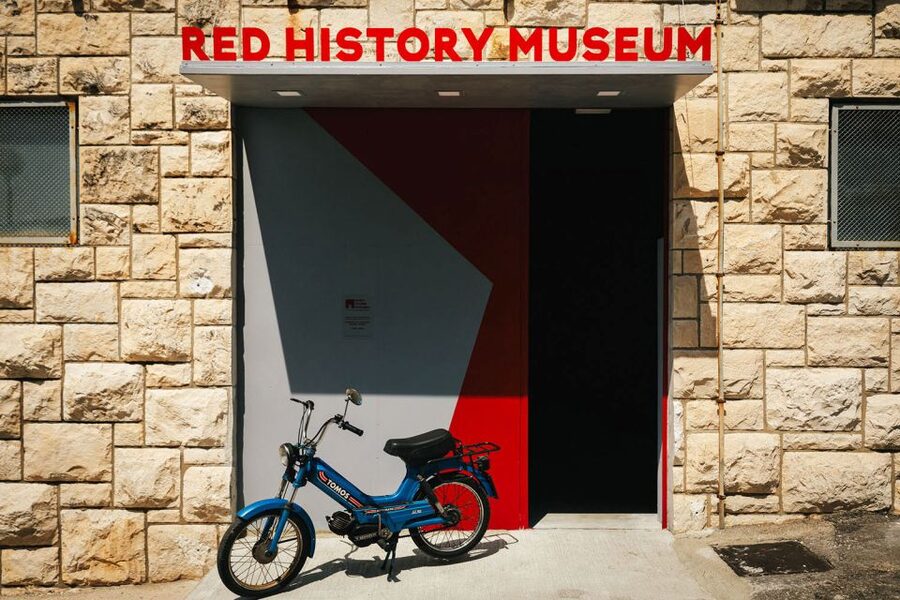
Dubrovnik’s Red History Museum does something the city’s stone walls cannot: it explains the recent past that shaped modern Croatia. Set inside the former T.U.P. factory complex from 1953, it uses household objects, music, politics, and hands-on displays to show daily life under Yugoslav communism.
I like the reconstructed home, which makes the period feel personal rather than abstract. I also like the playful details, from the famous Yugo 45 to communist-era versions of Coca Cola and Fanta. The main drawback is size: this is a small museum, so visitors wanting a long, formal history museum may finish sooner than expected.
Key points
- A former 1953 factory gives the museum a fitting setting: You visit the last factory complex in Dubrovnik, in the port area.
- A reconstructed home shows daily life: Furniture and household objects help explain how people lived in the 1970s and 1980s.
- Politics and pop culture share the same space: Art, design, secret agencies, music, and the Non-Aligned movement all appear.
- The Yugo 45 makes history personal: You can sit inside the famously modest car and take a photo.
- Interactive displays keep the subject moving: Scanned images, audio, and hands-on elements break up the reading.
- The ending has a small edible surprise: Period-style drinks and candies offer a light finish to a serious subject.
Why Dubrovnik Has a Museum About Yugoslavia
Most people come to Dubrovnik for medieval walls, red roofs, and Adriatic views. The Red History Museum points you toward a different story, one that is much closer to the present and still matters in Croatia today.
Before Croatia became an independent country, it was part of socialist Yugoslavia. That political system shaped school, work, travel, shopping, television, design, and family life. You may know the broad outline, but the museum helps you see how those ideas reached into an ordinary living room.
I find this useful because modern Croatia can otherwise seem detached from its Yugoslav past. The museum gives you a way to connect today’s country with the objects, songs, products, and political ideas that came before it.
The museum is located in the old T.U.P. factory complex in Dubrovnik’s port area. The factory was built in 1953, so the building itself fits the subject. You are not entering a polished modern gallery with an unrelated setting. You are walking into a place tied to the industrial world that the museum explains.
More history tours in Dubrovnik:
- Dubrovnik Old Town History Walking Tour
★ 5.0 · 1,684 reviews - Game of Thrones & History of Dubrovnik Tour
★ 5.0 · 628 reviews - Dubrovnik: Old Town History Walking Tour
★ 4.9 · 474 reviews
Inside the Former T.U.P. Factory
The building gives the experience a practical sense of place. T.U.P. is described as the last factory complex in Dubrovnik, and its industrial surroundings help set the tone before you even reach the displays.
Do not expect a grand institution on the scale of a national museum. This is a small attraction, but the layout makes good use of its space. You move through different parts of Yugoslav life rather than facing one long wall of dates and political names.
The museum combines older objects with newer technology. That mix suits the subject. A period chair, radio, or household item can tell you how a room looked, while a digital display can add photographs, documents, or background.
Some interactive features may need a little patience. One visitor had trouble getting the virtual scanned images to work and felt that the instructions could be clearer. If a screen or scan does not respond at once, ask a staff member rather than assuming you have missed something.
The Reconstructed Home of the 1970s and 1980s
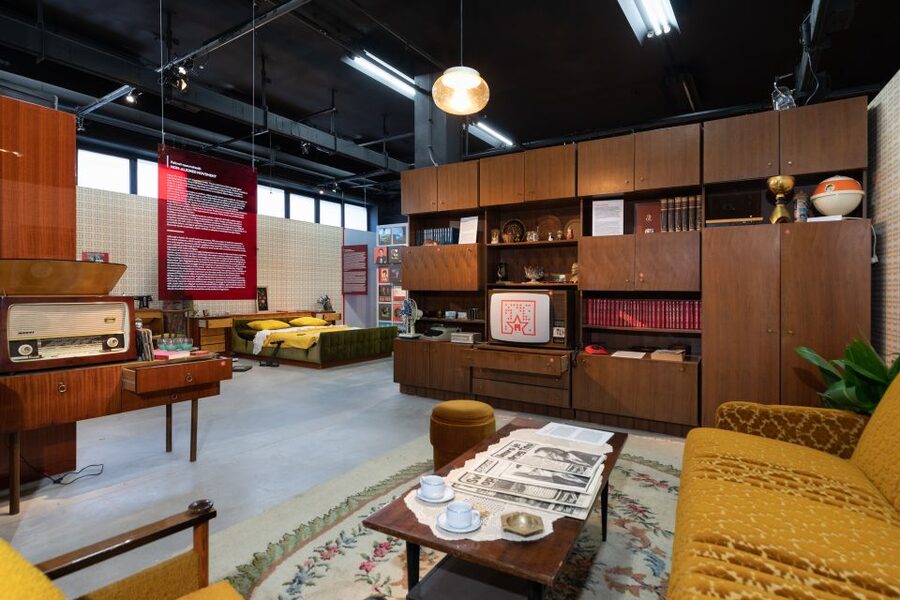
The reconstructed home is one of the strongest parts of the museum. Old furniture and domestic objects show the period at a human scale. Instead of thinking only about governments and borders, you can picture how an ordinary family might have arranged a home.
This section is especially helpful if you are not familiar with Yugoslav life. Political history can feel distant, but a room filled with furniture, household items, and familiar forms of entertainment gives it a daily rhythm.
Look closely at the design. The point is not simply that the objects are old. They show what people bought, used, displayed, and lived with. The result is a more direct sense of life in the 1970s and 1980s, when Yugoslavia had its own mix of socialist politics, consumer goods, popular music, and international connections.
The museum does not present the period as one simple story. You get a sense of both the ordinary appeal and the political limits of the system. That balance matters. A display about furniture and music can make the era seem comfortable, while material about political control and prison camps adds the harder context.
Art, Design, Music, and Everyday Culture
The Red History Museum is not only about party leaders and official policy. It also looks at art, design, and pop culture. I like this wider approach because it shows how a political system appears in daily habits, not just in speeches.
Music helps bring the period to life. You can listen to some of the major hits of the time as you move through the museum. Sound changes the experience from silent display viewing into something more immediate, though the museum’s compact size means you should not expect a full concert or long audio program.
Products provide another easy entry point. The museum includes communist versions of familiar soft drinks, including Coca Cola and Fanta. These parallel-universe products are a clever way to show how consumer culture worked under Yugoslavia.
The drinks and candies at the end are more than a novelty. They give you a taste of the period, literally, and provide a fun pause after more serious political material. If you are visiting with children or teenagers, these details may hold their attention better than a row of printed panels.
More museum and gallery tickets in Dubrovnik:
- Skip the Line: Love Stories Museum Admission Ticket
★ 5.0 · 87 reviews - Love Stories Museum Skip-the-Line Entrance Ticket
★ 4.5 · 23 reviews - Cavtat: Banac Gallery Entrance & Sparkling Wine
★ 4.9 · 19 reviews - Banac Gallery Entrance with Coffee and Fresh Juice
★ 4.8 · 5 reviews
Politics, Secret Agencies, and the Non-Aligned World
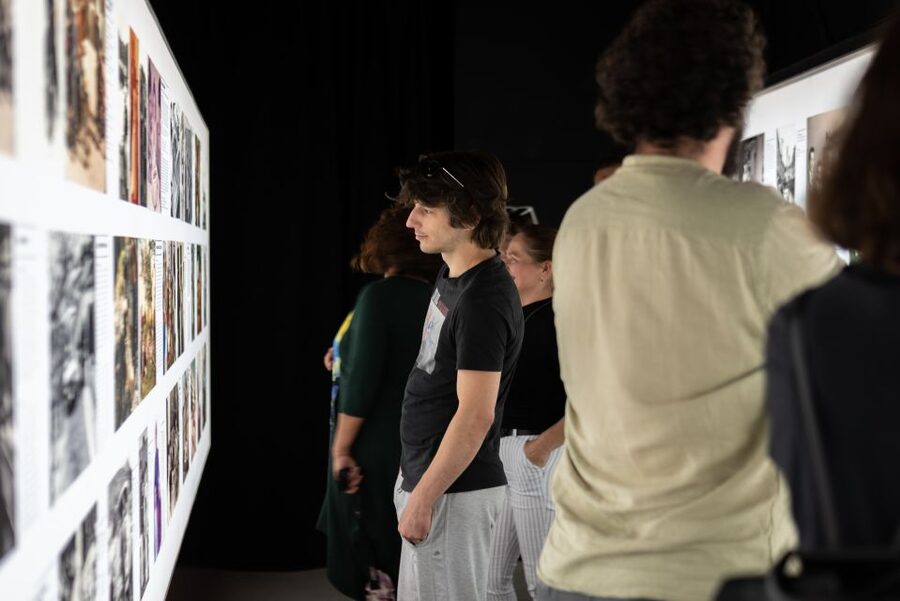
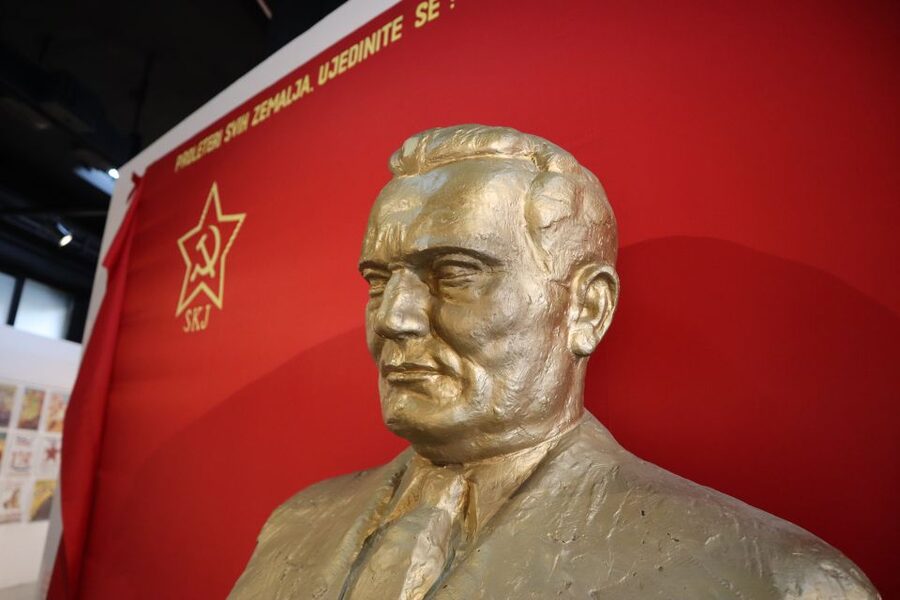
The political sections give the museum its weight. You learn about the Communist Party and the watchful role it played in public life. The museum also covers secret agencies, so the story is not limited to official slogans or cheerful household scenes.
One particularly striking area concerns Goli Otok. Information about the island appears behind curtains, followed by a collection of photographs. That arrangement creates a shift in mood and draws attention to a darker part of Yugoslav history.
The museum also explains the Non-Aligned movement. This is important context because Yugoslavia did not fit neatly into the usual Cold War categories. Understanding its position between the Soviet bloc and the West helps explain why the country developed its own political identity and visual culture.
You should allow yourself time for these sections. The displays are compact, but the subjects are serious. The museum gives you an introduction rather than a full academic study, so visitors with a strong interest in Yugoslav politics may want to read further afterward.
The Yugo 45 and Other Hands-On Stops
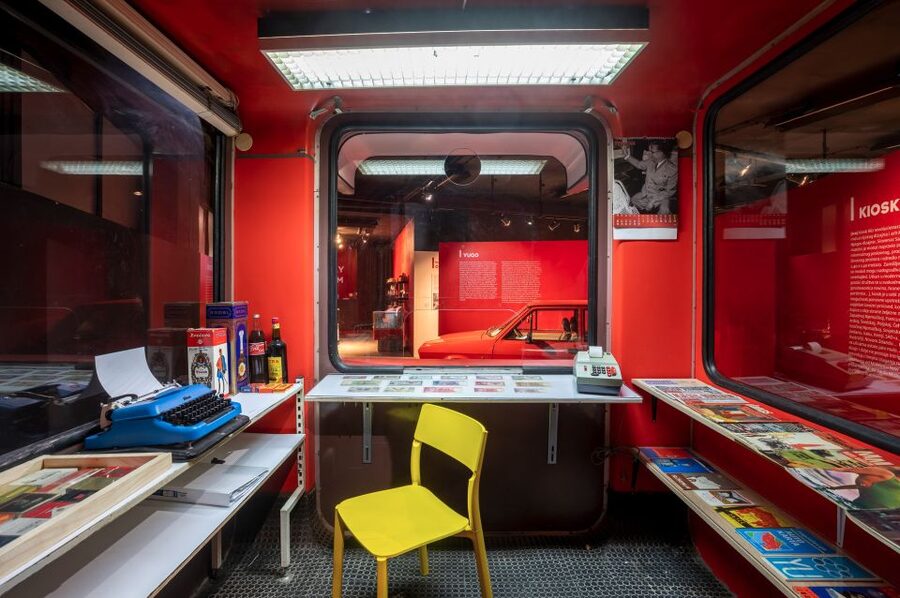
The Yugo 45 is the museum’s most obvious photo opportunity. You can sit inside the small car and take a picture. It is often described as the worst car ever, but that label misses its value as a cultural object.
The car helps explain ordinary mobility in Yugoslavia better than a paragraph might. It was not a luxury item. Its appeal lies in what it represents: practical transport, modest expectations, and a recognizable piece of everyday life.
The interactive elements keep the museum from becoming too heavy. There are enough of them to break up the information flow without turning the whole visit into a game. That balance is one reason the museum works well for people who enjoy history but do not want a lecture.
You may also come across virtual scanned images and other digital displays. These add material that would be difficult to show through objects alone. As noted above, the instructions are not always perfectly clear, so ask for help if a feature seems inactive.
What the Visit Feels Like
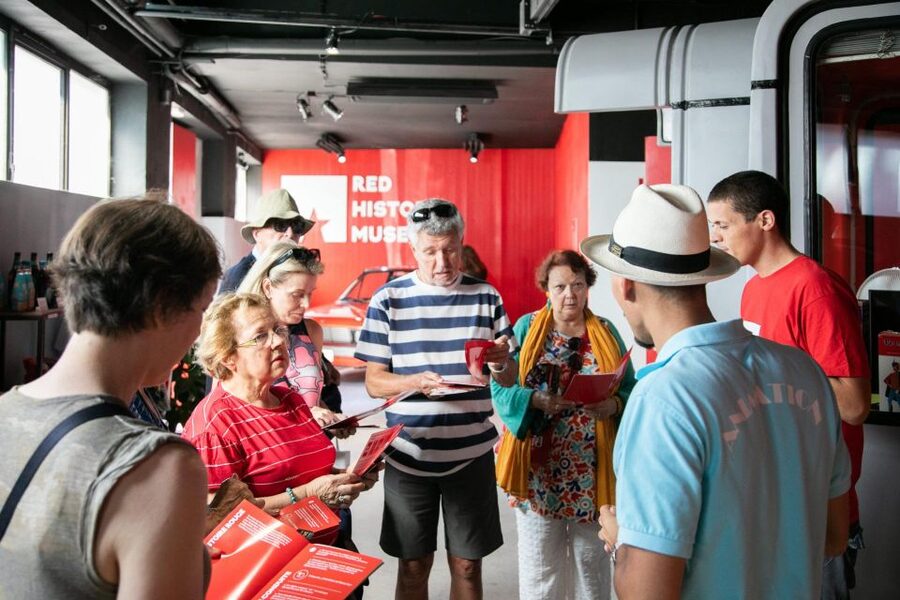
The tone changes as you move through the museum. Domestic objects and pop culture make the early experience approachable. Politics, secret agencies, and Goli Otok add a more troubling side. Period music and the Yugo bring some lightness back.
That mixture is the museum’s main strength. You are not given a simple story that says everything was good or everything was bad. You see ordinary life, consumer culture, national identity, political pressure, and international ambition in the same visit.
Staff can add useful context. Viktor, in particular, has been praised for explaining the subject clearly. The museum is easy to explore on your own, but it is worth speaking with staff if you have questions about a political term, an object, or one of the interactive features.
The experience suits curious visitors more than those seeking a major architectural attraction. The building and subject matter are the draw, not sweeping views or a grand collection. Think of it as a focused history stop that adds meaning to your time in Dubrovnik.
Is the $11 Ticket Good Value?
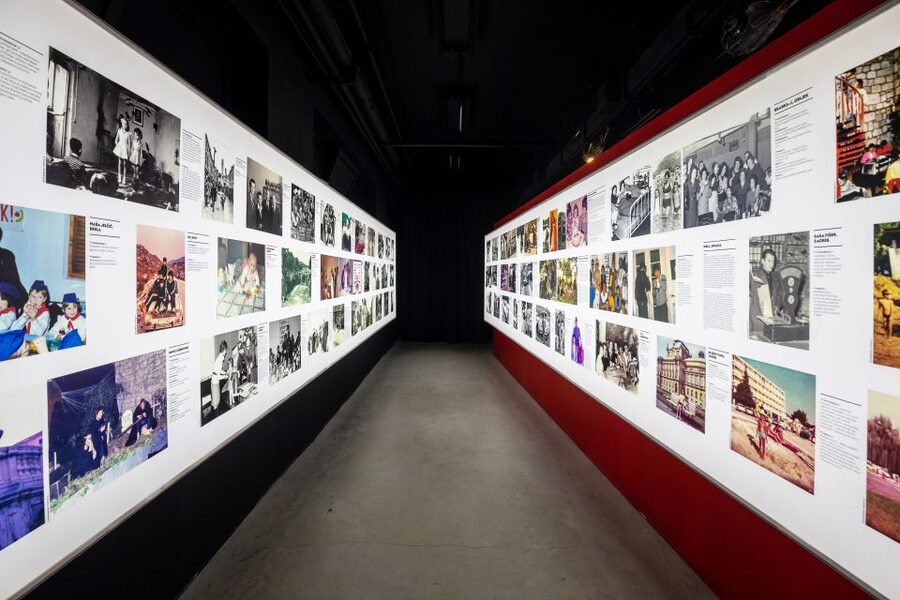
At $11 per person, I consider the museum a reasonable buy for anyone interested in Croatia, Yugoslavia, politics, design, or recent European history. The ticket gives you more than a display of old furniture. You get a compact introduction to a country and political system that still shape the region.
Value depends on your interests. If you have only a short time in Dubrovnik and want the city’s famous sights, you may choose the walls, churches, or harbor first. If you have already seen the main Old Town attractions, this museum offers a welcome change of subject.
The price also works well for a small museum with interactive features and staff support. You can look at original-style domestic objects, hear music, examine political material, use digital displays, and try period products. The experience is not an all-day outing, but it does not need to be.
I would be less enthusiastic for someone expecting a detailed university-level account of every stage of Yugoslav history. The museum is selective and compact. Its goal is to make the era understandable and tangible, not to cover every event or debate.
Who Will Enjoy This Museum Most?
I would recommend the Red History Museum to several types of visitors:
- First-time visitors to Croatia: You get context for the country beyond beaches and medieval streets.
- People interested in recent history: The subject is close enough to feel relevant, not locked in a distant past.
- Families with older children: Cars, music, sweets, and hands-on displays offer breaks from dense reading.
- Design and pop-culture fans: Furniture, products, sound, and visual style receive real attention.
- Visitors who have already toured Dubrovnik’s main sights: The museum offers a different side of the city and its port area.
- Anyone with family ties to Yugoslavia: The household objects and music may bring back personal memories.
I would think twice if you dislike interactive displays or have no interest in modern political history. The museum’s subject is specific, and its compact format means you will not get a broad tour of Croatian history from ancient times to today.
Practical Tips Before You Go
Set aside enough time to read the panels and try the interactive parts instead of rushing through for the Yugo photo. The museum is small, but the material rewards attention.
Ask staff for help with digital features. The virtual scanned images may not be obvious to operate, and clear instructions are not always available. A quick explanation can make the difference between skipping a display and getting something from it.
Do not judge the museum only by its size. The strongest sections are about the quality and mix of the material: the home reconstruction, Goli Otok information, photographs, music, political displays, and everyday objects.
If you are visiting with someone who remembers Yugoslavia, give them room to explain what an object means to them. If you know little about the period, ask questions. The museum works best as a starting point for conversation.
Booking is flexible: you can reserve and pay later, and cancellation is allowed up to 24 hours before the visit for a full refund. Those terms are useful if your Dubrovnik plans may change.
Should You Book the Red History Museum?
Yes, if you want to understand modern Croatia through ordinary life, politics, and popular culture rather than through monuments alone. At $11, the museum offers a focused and approachable experience, with enough hands-on material to keep the subject from feeling like a textbook.
I would make it a priority after Dubrovnik’s essential Old Town sights, especially if you have an interest in Yugoslavia or recent European history. The small size is the main limitation, but the former factory setting, reconstructed home, Goli Otok material, Yugo 45, and period snacks give the visit a clear personality.
Book it if you want a thoughtful change of pace. Skip it only if your schedule is extremely tight or you are looking solely for Dubrovnik’s medieval and scenic attractions.
FAQ
Where is the Red History Museum located?
It is in the T.U.P. factory complex in the port area of Dubrovnik, Dalmatia, Croatia. The factory complex was built in 1953.
What does the Red History Museum focus on?
It explores Croatia’s communist and Yugoslav past through politics, art, design, secret agencies, the Non-Aligned movement, music, household life, and popular products.
Can I sit in a Yugo 45?
Yes. The museum includes a Yugo 45, and you can sit inside it for a photograph.
Does the museum include interactive displays?
Yes. It uses both older objects and newer technology, including virtual scanned images and other interactive elements.
Are food and drinks included?
The museum offers popular drinks and candies associated with the period, including communist versions of Coca Cola and Fanta. The regular ticket includes entry to the museum.
How much does a regular ticket cost?
The regular entry ticket costs $11 per person. You can reserve and pay later, and cancellation is available up to 24 hours in advance for a full refund.
Just added around Dubrovnik
- Dubrovnik Scavenger Hunt and Highlights Self Guided Audio Tour★ 5.0 · 5 reviews
- Dubrovnik Riviera and Cavtat – Shore Tour★ 5.0 · 4 reviews
- 2-Hour Dubrovnik Private Buggy Panorama Safari★ 5.0 · 39 reviews
- Dubrovnik Romantic Sunset Boat Tour★ 5.0 · 4 reviews
- Dubrovnik City Tour with History, Photos & Round Trip Ride★ 5.0 · 46 reviews
- Dubrovnik Panorama Tour★ 5.0 · 5 reviews
- Dubrovnik Old City Tour and Panoramic Drive★ 4.5 · 11 reviews
- Private Self-Guided Audio Walking Tour in Dubrovnik Old Town★ 3.5 · 26 reviews
Dubrovnik History Tours, compared.
Dubrovnik History, Sweets & Liquors in a Private Palace (PRIVATE)
Read our review →
Dubrovnik Old Town: Night tour with History, Wine & Bites
Read our review →Browse the lists this tour appears in