
Reviewed · COOKING CLASSES
Croatian Traditional Cuisine: Peka Cooking Lesson
Peka is less a recipe than a small cooking ritual: meat and vegetables go into a fireproof pot, a bell-shaped metal or cast-iron lid covers it, and hot coals do the slow work. I like the old-fashioned cooking method and the chance to eat the result at OPG Vukojević in Mokošica, outside Dubrovnik. I also like that Florio and his family make the setting feel personal, with homemade bread, cheese, olive oil, wine, and stories about daily life in Croatia. The main drawback is the price, $162.47 per person, and the transport details need careful checking before you book.
- Peka is cooked under hot coals: Learn how the dome-shaped lid turns a simple pot of meat and vegetables into a tender, slow-cooked meal.
- Florio hosts in Mokošica: This is a private activity at OPG Vukojević, not a large restaurant demonstration.
- Homemade extras fill the table: Expect lunch with local wine, plus food such as bread, cheese, olive oil, and possibly homemade prosciutto and grappa.
- The setting is personal: Florio’s wife and family may be part of the visit, giving the meal a home-style feel.
- You can request vegetarian food: Tell the operator when booking, since the standard meal centers on meat and vegetables.
- Plan around the fixed conditions: The activity lasts about four hours, requires at least two people, allows up to eight, and is for ages 18 and older.
Peka cooking is Croatia’s slow-food tradition
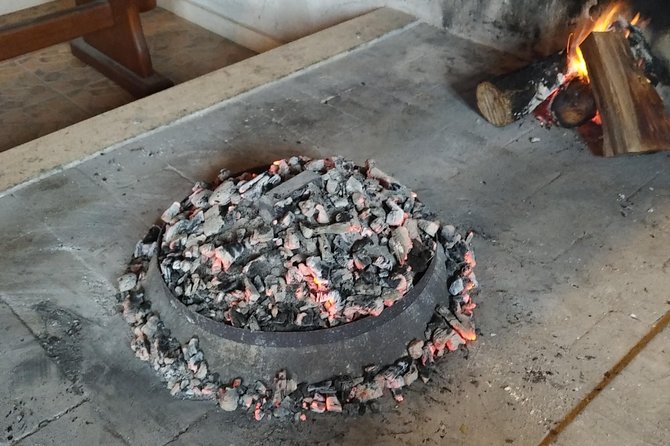
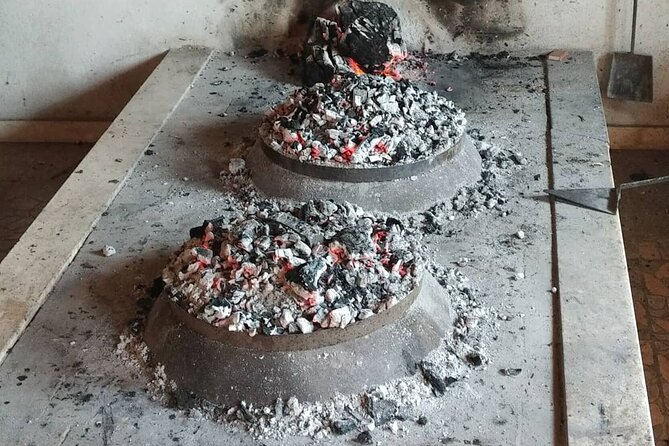
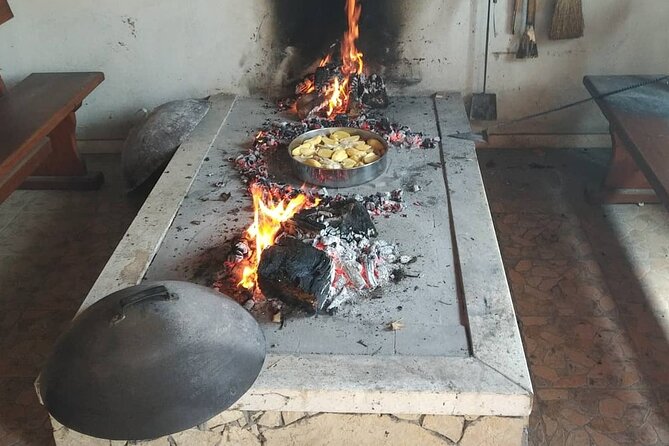
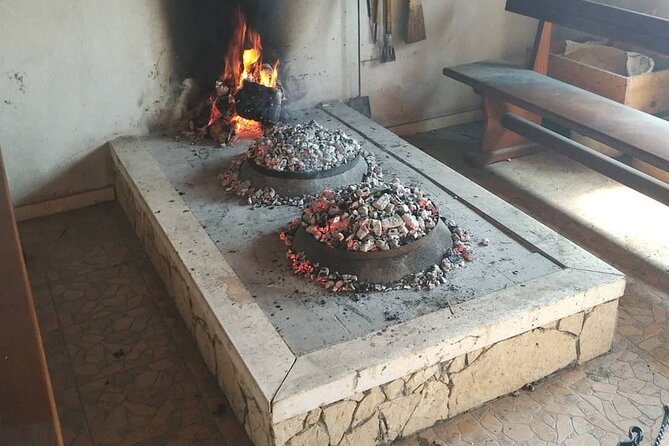
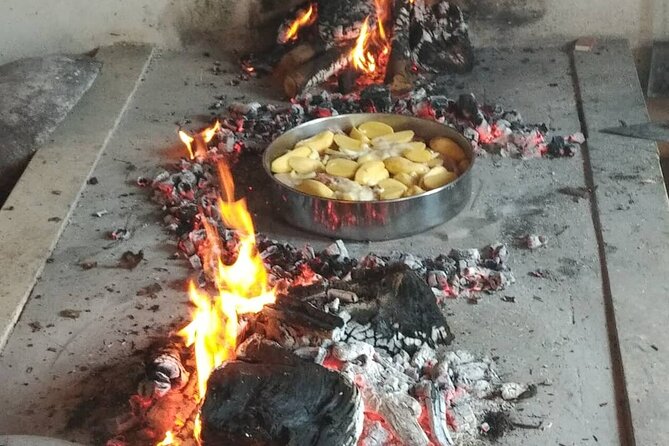
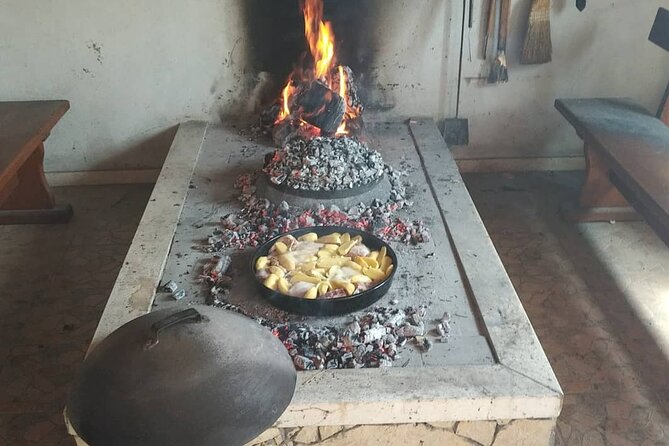
If you have seen peka on a menu, you may picture a casserole. The real thing is more interesting. Meat, potatoes, and other vegetables cook beneath a cupola-shaped lid, often called a bell, while hot coals sit on top. The food can be prepared in a fireproof pot or directly on a stone slab.
Traditional versions usually use veal, lamb, or yearling beef. The method is simple to describe but tricky to manage. The cook must judge the fire, the heat from the coals, the size of the ingredients, and the cooking time. Too much heat can ruin the outside before the center is ready. Too little leaves the dish underdone.
That is why this outing works better as a demonstration and meal than as a standard classroom cooking course. You will learn how the peka works, watch the food being prepared, and eat the finished dish. Do not expect a formal lesson where you spend the whole morning chopping, measuring, and taking notes.
The payoff is the taste. Slow cooking lets the meat and vegetables soften together, while the fire adds a faint smoky character. Potatoes are a natural partner, and the hearty dish suits a relaxed lunch better than a rushed bite between sightseeing stops.
What happens at OPG Vukojević in Mokošica
The program takes place at OPG Vukojević in the village of Mokošica, near Dubrovnik. The stated meeting point is Ul. za Belendinovo 3, 20236 Mokošica, with a 9:00 a.m. start. The full visit lasts about four hours.
Florio is the host named in the experience details and personal accounts connected with the tour. His role seems to go well beyond placing a peka under the coals. You can expect conversation about Croatian food, the things grown and made locally, and ordinary life in the area.
That personal touch is important. This is not presented as a polished restaurant show with a script and a quick photo stop. The setting is a private activity for your own group, with a maximum of eight people. Florio’s wife may assist, and the visit can feel more like being welcomed into a family home than attending a public cooking event.
That can be exactly what you want if you are searching for an individual encounter with local food. It can also mean that the pace is informal. If you prefer a tightly scheduled class with written recipes and clearly defined cooking stations, this may not be your best match.
More cooking classes and workshops in Dubrovnik:
- Traditional Cooking Class in Dubrovnik Countryside
★ 5.0 · 168 reviews - Traditional Dalmatian Cooking Class from Dubrovnik
★ 5.0 · 49 reviews - Authentic Garden to Table Cooking Class in Dubrovnik Countryside
★ 5.0 · 17 reviews
Watching the fire, lid, and food come together
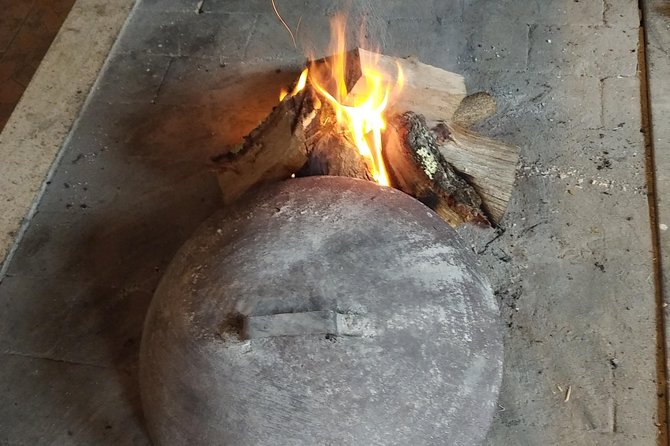
The heart of the visit is the peka itself. You will see the meat and vegetables arranged for cooking, then covered with the bell-shaped lid. Hot coals go over the top, creating an oven-like chamber beneath.
The lid may be metal or cast iron, while some cooks prefer earthenware. The details matter because the vessel affects how heat reaches the food. Part of the interest here is seeing a cooking method that depends on experience rather than a modern timer or electric oven.
The food cooks slowly while you sit, talk, and sample other items. This is where the experience becomes more than a recipe lesson. You are learning how a traditional meal fits into social life: food goes over the fire, people gather, and lunch takes its time.
The supplied details do not promise that every participant will handle the ingredients or coals. I would treat this as a guided demonstration with chances to ask questions, not as a guaranteed hands-on workshop. If personally preparing the food is important to you, ask Florio or the operator exactly how active your role will be before paying.
Homemade bread, cheese, olive oil, wine, and grappa
While the peka cooks, the table fills out with local products. The meal includes homemade wine, and the experience information also describes homemade bread, cheese, olive oil, and grappa. One account specifically recalls homemade prosciutto and a take-home bottle of grappa offered after Florio learned that the visitor liked it. That extra bottle should not be treated as a guaranteed inclusion, but it gives you an idea of the host’s generous style.
The food served before the main dish may be just as revealing as the peka. Bread and olive oil show how simple ingredients can carry a meal, while cheese, prosciutto, and wine give you a broader taste of what a local household might serve.
The wine is part of the experience, not just a drink added to the bill. Peka is traditionally paired with local red wine, including the Miljas wine named in the description. If you do not drink alcohol, keep in mind that the included beverage is homemade wine, and the details do not specify a nonalcoholic alternative.
Grappa is also part of the food culture around the table. It may appeal to you if you enjoy strong spirits, but it is not something everyone will want. A good host will let you decide how much, if any, you would like to try.
The family welcome is the real added value
The cooking method is the reason to book, but the welcome is likely to shape your memory of the day. Florio is described as making many of his own products and speaking openly about Croatian food and life. You may hear about what the family grows, what they prepare themselves, and how local traditions fit into modern life.
That kind of conversation has value because it gives context to the meal. You are not simply told that peka is traditional. You see how a fire, a heavy lid, local produce, and a long lunch connect as one custom.
The personal approach also explains the high price. At $162.47 per person, this is not a cheap way to eat lunch in Dubrovnik. You are paying for a private four-hour outing, a specialized cooking demonstration, a full meal, homemade wine, and time with a local host and family.
The value improves if you care about food culture and small-group contact. It is less attractive if you want the lowest-cost meal, a large menu, or a polished cooking school with professional workstations. Dubrovnik has plenty of restaurants where you can order peka without spending this much, although a restaurant meal will not give you the same look at the fire or the family setting.
Same harbour, a completely different sort of day:
- Blue Cave Small-Group Boat Tour from Dubrovnik
★ 5.0 · 9,360 reviews - Full-Day Dubrovnik Elaphite Islands Cruise with Lunch and Drinks
★ 5.0 · 8,823 reviews - Dubrovnik: Epic Game of Thrones Tour + Lokrum & Saver Option
★ 4.9 · 5,995 reviews - Dubrovnik: Elaphiti Islands Full-Day Cruise with Lunch
★ 5.0 · 5,938 reviews
Transport needs a clear question before booking
The information gives two different signals about transport. The overview says you can be picked up and dropped off at your Dubrovnik hotel, and the program description says the guide picks you up at your hotel or private apartment. At the same time, the inclusion section says private transportation and transfers to the place and back are not included.
The stated meeting point is in Mokošica, and the activity ends back there. Because of that conflict, ask for exact pickup and return arrangements before you commit. Find out if transport is included, available at an extra cost, or expected to be arranged by you.
This matters more than it might seem. Mokošica is outside Dubrovnik’s old town, and one account describes narrow roads on the way. A participant who did not feel comfortable driving said Florio drove their car through the narrow sections. That is a useful detail, but it does not replace confirming your own transport plan.
If you are driving, ask about the route and parking. If you are not, ask whether the operator provides a paid transfer or whether you should use public transportation. The experience is listed as being near public transportation, but no route or travel time is provided.
Timing, group size, and the lunch schedule
The standard start time is 9:00 a.m., and the activity lasts around four hours. The included lunch is available from April 1 through October 30, 2026. The information also says that cooking-class lunch sessions can start at 9:30 a.m. This creates a small timing discrepancy, so confirm your exact start time after booking.
The morning schedule makes sense for peka. The dish needs time over the coals, and a late-morning start leads naturally to lunch. The description also calls the timing flexible, allowing you to choose when you eat, but the published start time is still 9:00 a.m. Treat the meal timing as adjustable within the program rather than arriving whenever you like.
The activity requires at least two people and accepts no more than eight per booking. It is private, so only your own group participates. That is a strong advantage for couples, families of adult children, or a small group of friends who want to ask questions without sharing the table with strangers.
The minimum age is 18. This is not a family activity for younger children, even though the food itself might appeal to them.
Vegetarian guests should arrange the meal early
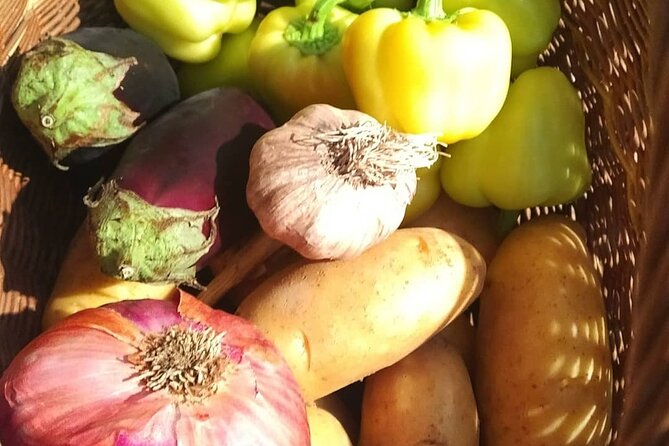
The standard peka described here is built around meat, potatoes, and vegetables. Vegetarian food is available, but you must advise the operator when booking.
That request is worth making early and clearly. Since peka depends on the ingredients placed in the pot, a vegetarian version is not just a matter of removing meat from a finished dish. Ask what will be prepared and whether it will cook separately.
The available information does not mention vegan food, allergies, gluten-free options, or specific substitutions. If any of those apply to you, contact the operator before booking rather than assuming the meal can be changed on arrival.
Is $162.47 a fair price?
The price is high for a four-hour food outing, but the comparison should not be with an ordinary Dubrovnik lunch. The package includes a private setting, a host-led look at peka cooking, lunch, and homemade wine. You also get the chance to taste other homemade products and spend time with the family.
I would consider it good value if you place a high price on local contact and traditional preparation. It offers something a restaurant cannot: the fire, the lid, the waiting, and the explanation of how the dish is made.
I would consider it poor value if you mainly want a meal. A restaurant meal will usually be easier to arrange and less expensive. You also need to add any private transfer cost if transportation is not included, which could change the total substantially.
The small group size helps justify the price. Eight people is still intimate enough for conversation, and a smaller booking may feel especially personal. Since only your group participates, you are not paying for a crowded coach outing or a short demonstration squeezed between larger stops.
Who should book this peka experience?
I would recommend it most strongly to adults who enjoy food, local drinks, and unhurried conversation. It suits you if you want to understand one Croatian dish from fire to table, rather than simply order it from a menu.
It is also a good choice for a special lunch during a Dubrovnik stay, especially if your group can share the cost. The private format works well for couples and small groups, while the family setting may appeal to anyone who prefers personal contact over formal tourism.
You should think twice if you dislike meat-centered cooking, do not drink alcohol, need a highly structured class, or have strict dietary restrictions that have not been confirmed. You should also sort out transportation before booking, since the published details are not fully consistent.
The experience is non-refundable and cannot be changed after booking. That makes it especially important to confirm the date, start time, group size, food needs, and transport before you pay.
Should you book it?
Book this peka cooking experience if you want a warm, personal food outing rather than a standard cooking school. The best reasons are the coal-fired cooking method, the homemade products, Florio’s hospitality, and the chance to share lunch in a private village setting near Dubrovnik.
Skip it if your priority is a low-cost meal or a formal hands-on class. At $162.47 per person, it asks you to pay for the whole setting and host interaction, not just the food. For the right visitor, that is the point. Confirm the transfer details first, then book for a morning when you can let the fire, the conversation, and lunch take their time.
FAQ
Where does the peka cooking experience take place?
It takes place at OPG Vukojević in the village of Mokošica, Croatia. The stated meeting point is Ul. za Belendinovo 3, 20236 Mokošica.
How long does the experience last?
The activity lasts approximately four hours.
What time does the experience start?
The listed start time is 9:00 a.m. The information also states that cooking-class lunch sessions can start at 9:30 a.m., so confirm the exact time when booking.
Is lunch included?
Yes. Lunch is included for visits from April 1 through October 30, 2026. Homemade wine is also included.
Is a vegetarian option available?
Yes. A vegetarian option is available, but you must advise the operator when booking.
How many people can join the activity?
A minimum of two people is required, and a maximum of eight people can be included in one booking. The activity is private for your group.
Is transportation from Dubrovnik included?
The information is inconsistent. The overview describes hotel pickup and drop-off, while the inclusion details say private transportation and transfers are not included. Confirm the pickup, return, and any added transport cost before booking.
Just added around Dubrovnik
- Dubrovnik Scavenger Hunt and Highlights Self Guided Audio Tour★ 5.0 · 5 reviews
- Dubrovnik Riviera and Cavtat – Shore Tour★ 5.0 · 4 reviews
- 2-Hour Dubrovnik Private Buggy Panorama Safari★ 5.0 · 39 reviews
- Dubrovnik Romantic Sunset Boat Tour★ 5.0 · 4 reviews
- Dubrovnik City Tour with History, Photos & Round Trip Ride★ 5.0 · 46 reviews
- Dubrovnik Panorama Tour★ 5.0 · 5 reviews
- Private Self-Guided Audio Walking Tour in Dubrovnik Old Town★ 3.5 · 26 reviews
- Dubrovnik: 3 Hour Private Tour – Old Town & City Walls★ 5.0 · 19 reviews
Cooking Classes, compared.
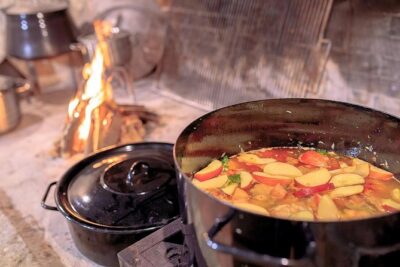
Traditional Cooking Class in Dubrovnik Countryside
Read our review →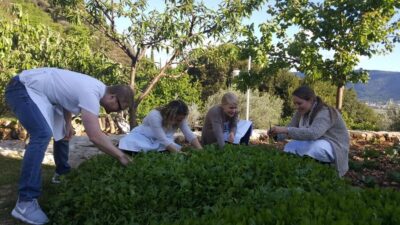
Traditional Dalmatian Cooking Class from Dubrovnik
Read our review →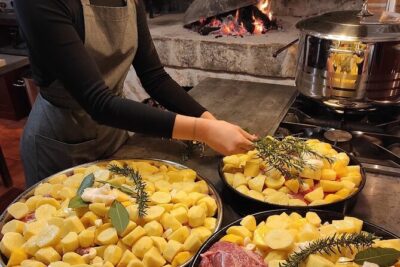
Authentic Garden to Table Cooking Class in Dubrovnik Countryside
Read our review →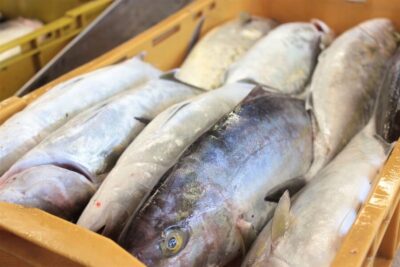
Browse the lists this tour appears in