
Reviewed · COOKING CLASSES
Traditional Dalmatian Cooking Class from Dubrovnik
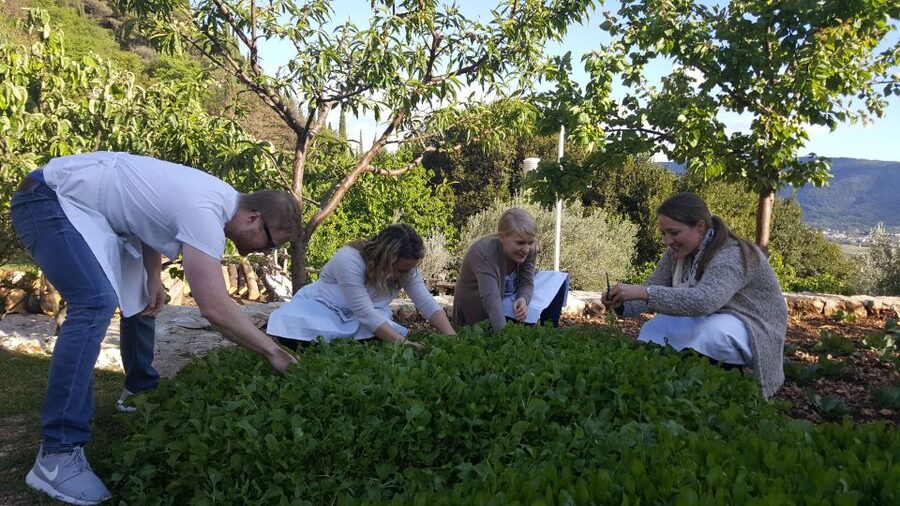
The best part of this Dubrovnik cooking experience is that the kitchen is not a polished studio. It is a working country home where you may pick vegetables, handle bread dough, taste wild herbs, and help prepare a meal over an open fire. I love the farm-to-table setting and the chance to meet a local family rather than simply sit at another restaurant. I also like that the menu follows the season, so the cooking feels tied to the land and not fixed for tourists.
The main caution is that this is not ideal for everyone. Vegans should skip it, and people with mobility limitations or wheelchair users may find the rural estate difficult. You should also expect a broad cultural day with cooking at its heart, not a tightly scripted professional cooking lesson.
Key things to know before booking
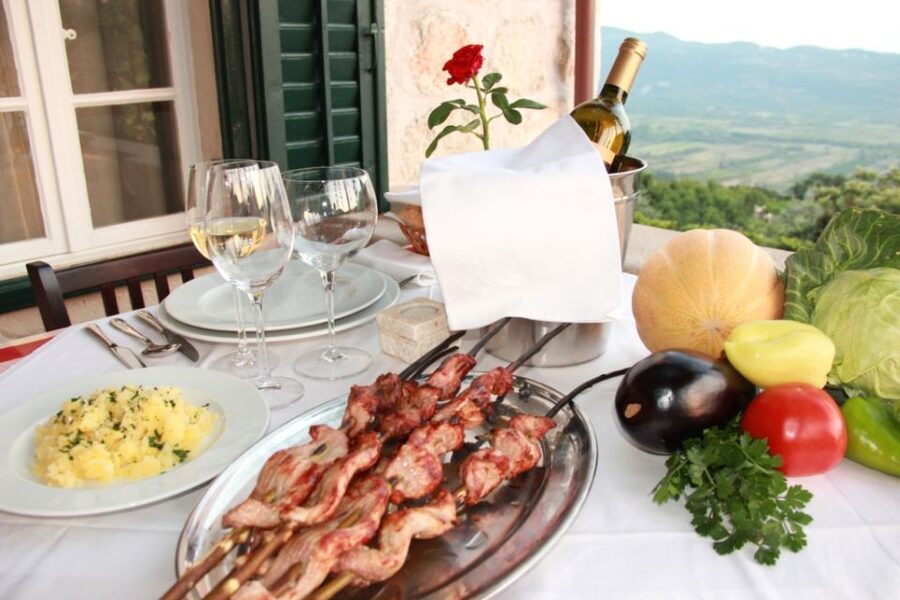
- The meal is made by you: Expect a seasonal four-course menu, with possible dishes such as peka, cabbage and potato stew, skewers, chicken stew, rustic bread, soup, cheese, vegetables, and dessert.
- The country estate is part of the lesson: You may pick produce from the garden, learn about family agriculture, and even milk a goat.
- The hosts matter as much as the recipes: Local family members share their home, food traditions, and daily way of life.
- Transportation is included: An air-conditioned vehicle takes you from Dubrovnik to the rural property and back.
- Drinks are part of the meal: Wine, brandy, liquor, juice, and water are included, with homemade products appearing during the day.
- Plan for comfort, not style: Wear practical clothes and comfortable shoes. High heels are not allowed.
From Dubrovnik streets to a country kitchen
Dubrovnik is full of stone walls, polished restaurants, and busy lanes. This experience gives you a reason to leave the city for a day and see how food works beyond the old town. Transportation in an air-conditioned vehicle is included, which saves you the trouble of arranging a rural transfer.
The ride itself can add useful context. Guides such as Oliver and Marija have been praised for explaining points of interest, Croatian history, and local life along the way. The exact guide may vary, but the role is more than simply driving you to lunch. You have someone who can help connect the city you are visiting with the countryside you are about to enter.
On arrival, you receive a welcome drink and the equipment needed for cooking. The tone is informal and practical. You are not expected to watch from a distance. You should be ready to wash, chop, knead, stir, taste, and get your hands messy.
That last point matters. If you want a clean, demonstration-only class, this may feel looser than expected. If you like learning by doing, the relaxed approach is a strength.
More cooking classes and workshops in Dubrovnik:
- Traditional Cooking Class in Dubrovnik Countryside
★ 5.0 · 168 reviews - Authentic Garden to Table Cooking Class in Dubrovnik Countryside
★ 5.0 · 17 reviews - Croatian Traditional Cuisine: Peka Cooking Lesson
★ 5.0 · 10 reviews
Meeting the family behind the meal
The heart of the day is a country estate run by a local family. You spend time at their home, hear about the property and family traditions, and take part in food preparation alongside them. Accounts of the experience repeatedly emphasize the warmth of the hosts, including family members such as Nike, Ivo, and the family matriarch known as Ba Ba.
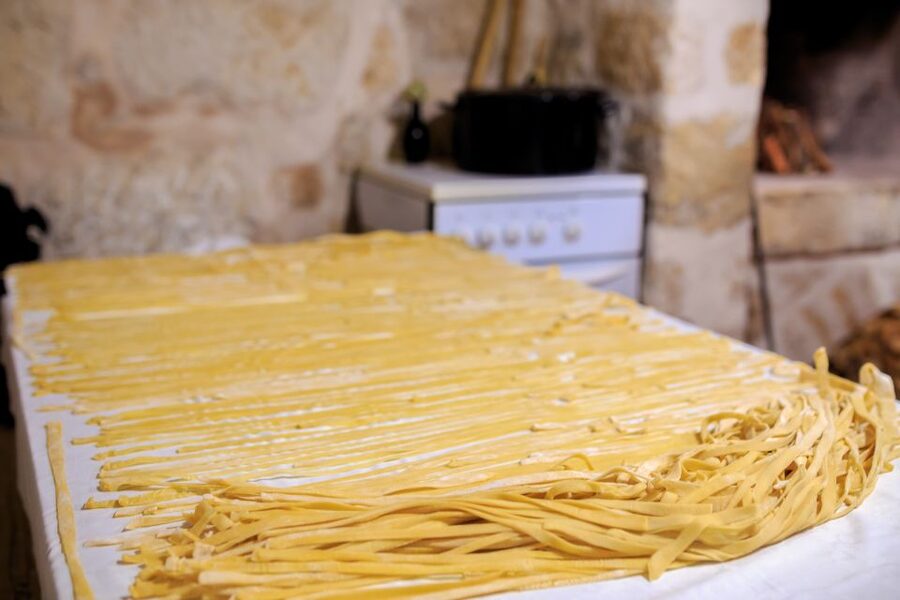
Do not expect a formal restaurant kitchen with numbered workstations. You might instead cook in an outdoor traditional kitchen, prepare food near an open fire, or work with family members who learned these recipes through everyday life. The instructions come from recipes passed down by word of mouth, which gives the cooking a personal quality that a printed recipe card cannot quite copy.
You may also learn about the family’s agriculture and household traditions. One version of the day includes a visit to an old olive mill before reaching the home. The supplied details do not promise this stop on every departure, so treat it as a possible extra rather than a fixed part of the program.
I especially like this family-centered format for anyone curious about how people actually eat and work in rural Croatia. The food is important, but the conversation around it is what gives the day its character.
Picking vegetables, tasting herbs, and making bread
The cooking begins before the stove or fire. You may walk through the garden and select seasonal vegetables and fruit for the meal. That simple task changes how you think about lunch. Instead of receiving a prepared menu, you see some of its ingredients where they grow, then help turn them into food.
You may also taste wild spices and local plants. This is not a lecture-heavy lesson. Expect direct, hands-on instructions and plenty of opportunities to smell and taste ingredients as you work.
Bread is another memorable part of the class. You may put your fingers into the dough and help prepare rustic-style bread. This is exactly the sort of small, tactile activity that makes the experience useful after you return home. You may not leave with a professional technique, but you will better understand the texture and feel of a simple country loaf.
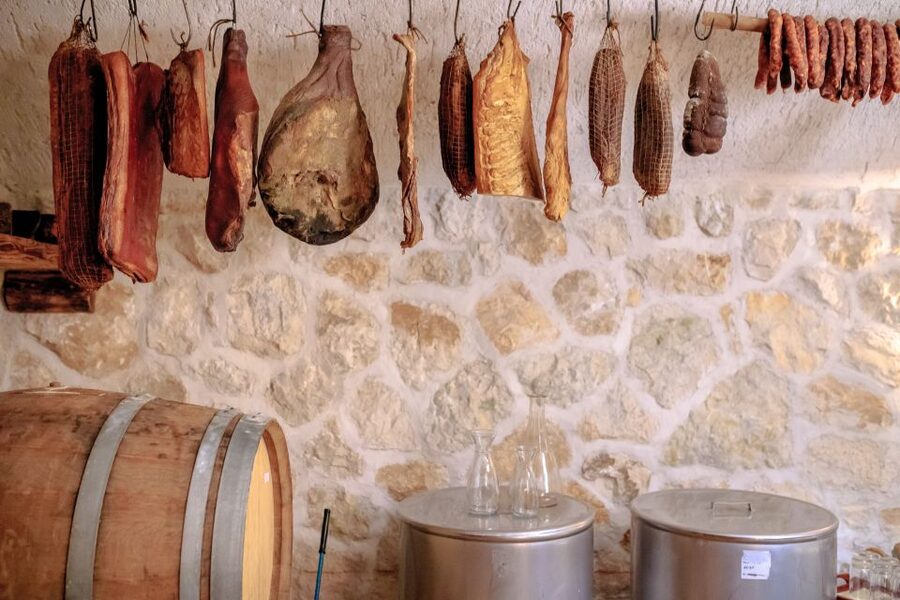
A farm visit may include learning how to milk a goat and trying fresh cheese. These details are valuable because they connect the finished meal with the work behind it. They also make this more than a standard cooking class. The day touches gardening, animal care, preservation, cooking, and family hospitality.
What might appear on the four-course menu
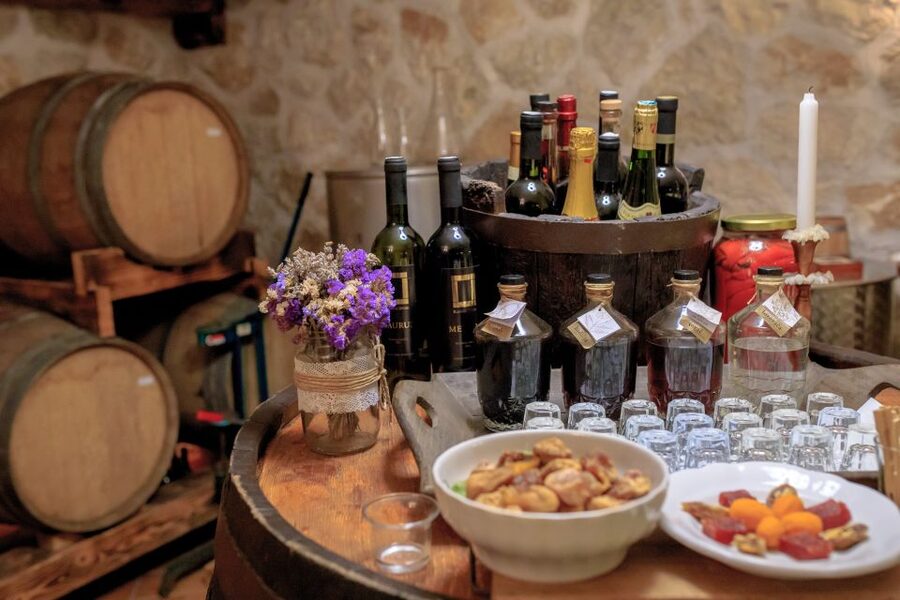
The menu changes with the season and what is available at the estate. That is good news if you want food with a local sense of place, but it means you should not book expecting one exact dish.
Possible preparations include:
- Dalmatian peka, traditionally lamb or veal cooked under an iron bell
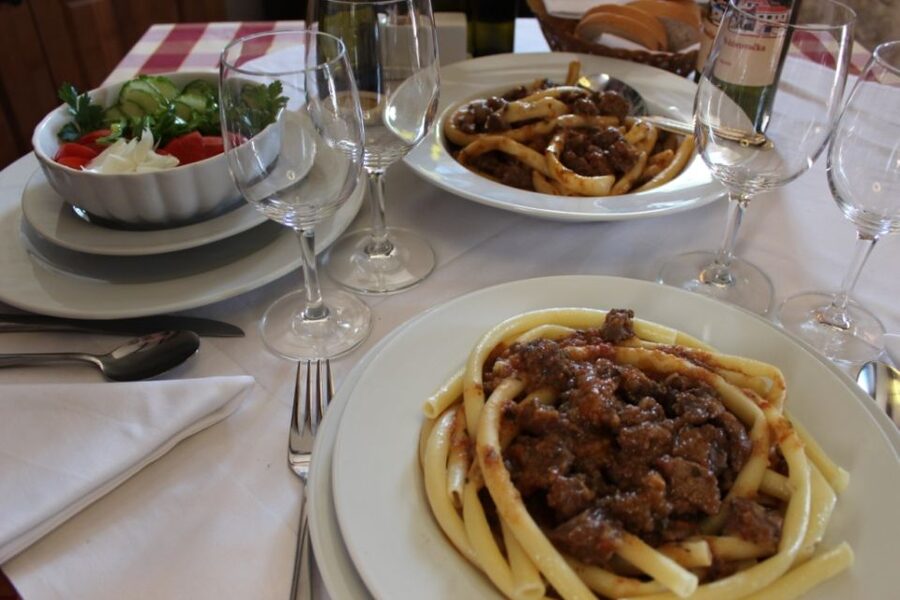
- Menestra, a hearty cabbage and potato stew
- Meat skewers, sometimes cooked on bay leaf branches over an open fire
- Dalmatian chicken stew
- Homemade rustic bread
- Dumpling soup
- Fresh cheese and garden vegetables
- Traditional desserts, including pancakes on some occasions
The four-course meal is the main payoff. You help prepare it, then sit down to eat the results with local wine and other included drinks. Portions can be generous, so pace yourself. One account noted that the food was so plentiful it was easy to leave no room for dessert, which is a pleasant problem but still worth keeping in mind.
The food may be simple in the best sense: fresh vegetables, meat, bread, cheese, herbs, and slow cooking. Do not compare it with a carefully plated tasting menu in Dubrovnik. The value here is the setting, the family recipes, and the connection between preparation and eating.
The drinks are part of the experience. Wine, brandy, liquor, juice, and water are included. Some products may be made or bottled by the family, and the day can include conversation about Croatian food and wine traditions. One account refers to learning about Bosnian wines and food, which suggests the guide may also place regional cuisine in a wider Balkan context.
Same harbour, a completely different sort of day:
- Blue Cave Small-Group Boat Tour from Dubrovnik
★ 5.0 · 9,360 reviews - Full-Day Dubrovnik Elaphite Islands Cruise with Lunch and Drinks
★ 5.0 · 8,823 reviews - Dubrovnik: Epic Game of Thrones Tour + Lokrum & Saver Option
★ 4.9 · 5,995 reviews - Dubrovnik: Elaphiti Islands Full-Day Cruise with Lunch
★ 5.0 · 5,938 reviews
Why the cooking feels different from a city food tour
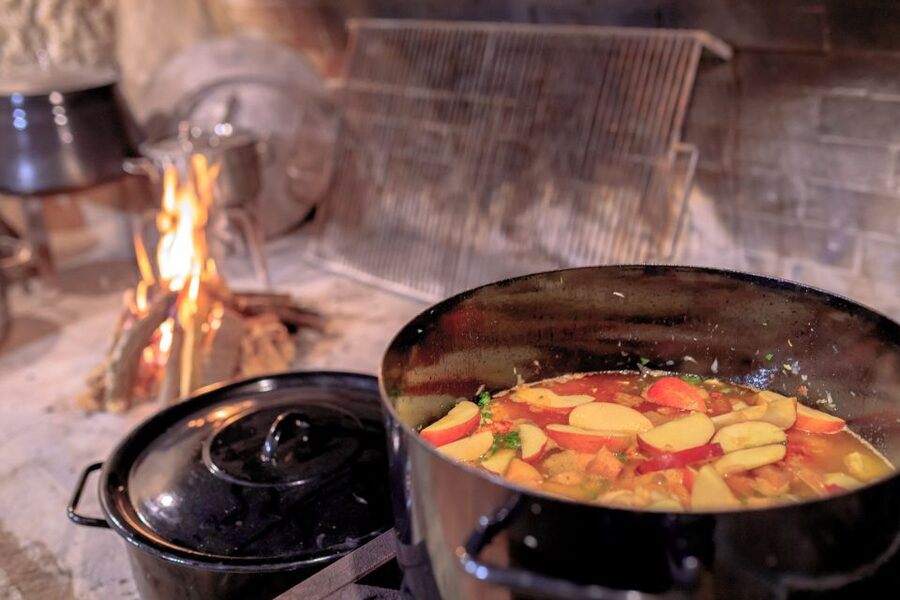
A city food tour usually moves between restaurants, markets, or tasting counters. This experience stays with one family and gives you time to work through a meal from start to finish. That slower rhythm is its biggest advantage.
You can ask questions while chopping vegetables. You can see how an ingredient changes during cooking. You can talk about family history while bread rises or meat cooks. The hosts are not just presenting a finished product. They are sharing the habits and routines behind it.
The tradeoff is structure. The day may feel more like being welcomed into a rural home than attending a precise lesson with a fixed timetable. One person may lead the cooking while another explains the property, and the guide may add history and local context during the drive. If you want exact measurements, advanced knife skills, or a formal recipe booklet, ask before booking.
For me, that less polished quality is the point. You are not buying a restaurant performance. You are paying for access to a household, a garden, a family kitchen, and a meal made together.
The value of $235 per person
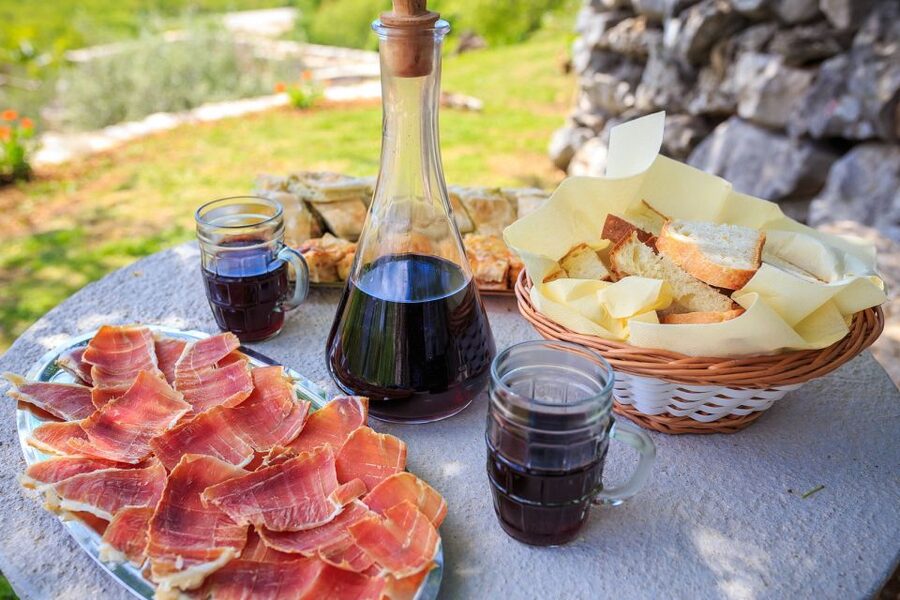
At $235 per person, this is not a budget lunch. The price makes more sense when you count the full package: transportation from Dubrovnik, a licensed guide, cooking equipment, a full seasonal four-course meal, and a range of drinks. You are also paying for a full day of contact with a local family and a rural setting that would be difficult to arrange independently.
I would not choose this experience for the food alone. You can eat good Croatian food for much less in Dubrovnik. The value comes from the whole day and the amount of participation. You are not simply paying for four courses. You are paying to help gather some ingredients, prepare the dishes, learn about the household, and sit down with the people who made the meal possible.
It is strongest for couples, families, and small groups who enjoy shared activities. It can also suit anyone who has already seen Dubrovnik’s main sights and wants a change of pace. If you are mainly interested in professional culinary instruction, the price may feel high for the level of formal teaching.
The included drinks can also affect the value. Wine, brandy, liquor, juice, and water are provided, so you are not adding a separate drinks bill during the meal. Souvenirs and food products bought to take home are not included.
What to wear and how to prepare
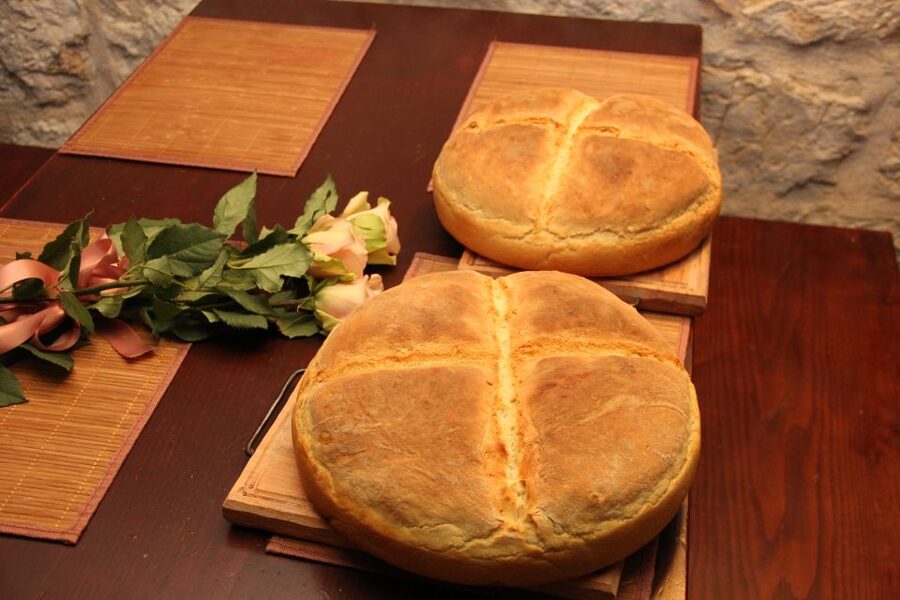
Wear comfortable clothes that can handle flour, garden soil, smoke, or cooking splashes. Comfortable shoes are essential. High heels are not allowed, and they would be a poor match for a garden, farm setting, or traditional outdoor kitchen in any case.
You should also plan around mobility. The experience is not suitable for people with mobility impairments or wheelchair users. The information provided does not give detailed terrain or step information, so contact the provider before booking if you have a specific access concern.
Bring an appetite, but do not expect to control every part of the menu. Ingredients depend on the season and what is fresh at the estate. Vegans should not book this experience. The menu includes meat, dairy, bread, and other traditional products, and there is no stated vegan option.
The included alcohol is another practical point. Wine and spirits are served, so anyone avoiding alcohol should make that clear to the guide or hosts. Juice and water are also included.
The guides and the personal touch
Several names appear in accounts of this experience, including Oliver, Marija, Miho, and Nike. Their roles can vary by departure. Oliver is described as a guide who adds commentary during the drive, Marija as a warm host and guide, Miho as a guide who discusses regional food and wine, and Nike as a leader of the cooking class.
The family hosts are a major part of the day. You may meet Ivo and other relatives, including the older family matriarch who helps guide the cooking. The family’s friendliness and willingness to explain their history, food, and way of life are central to the experience.
Because the people make such a difference, do not judge this day only by its menu. The same dishes would feel different in a commercial classroom. Here, the setting and conversation are part of the meal.
Who should book this Dalmatian cooking day?
I would recommend it if you:
- Want to leave Dubrovnik’s old town for a day
- Prefer home cooking to formal restaurant dining
- Like hands-on activities and do not mind getting messy
- Enjoy gardens, farms, family stories, and local traditions
- Want a substantial meal with wine and regional drinks included
- Are happy for the menu to change with the season
- Are traveling with people who enjoy eating and cooking together
I would think twice if you:
- Need step-free or wheelchair-accessible facilities
- Follow a vegan diet
- Want advanced culinary training
- Prefer a short, tightly timed activity
- Dislike meat, dairy, alcohol, or rustic outdoor cooking
- Expect a guaranteed list of dishes
The full-day format also matters. This is not a quick morning class squeezed between sightseeing stops. It asks you to give the day to the countryside, which is exactly why it feels more personal.
Should you book it?
Book this experience if your idea of a good day includes picking vegetables, kneading bread, learning family recipes, sharing a large meal, and hearing local stories over wine. The strongest reason to go is not one particular dish. It is the chance to see how food, land, and family life fit together outside Dubrovnik.
Skip it if you want a sleek cooking school, a guaranteed menu, or an accessible activity. At $235, the price requires you to value the cultural side as much as the food. For the right person, that makes the day a strong alternative to another restaurant meal and one of the more personal ways to experience Dalmatia.
Cancellation is allowed up to 24 hours before departure for a full refund, and you can reserve while paying later, which helps if your Dubrovnik plans are still shifting.
FAQ
Where does the Traditional Dalmatian Cooking Class take place?
The experience takes place at a country estate in rural Dalmatia, on the outskirts of Dubrovnik, with transportation provided from Dubrovnik.
How much does the experience cost?
The listed price is $235 per person.
What food might I prepare?
The seasonal menu may include peka, menestra, meat skewers, Dalmatian chicken stew, rustic bread, dumpling soup, fresh cheese, garden vegetables, and traditional desserts.
Is a meal included?
Yes. You prepare and eat a seasonal four-course meal.
Are drinks included?
Yes. Wine, liquors, brandy, juice, and water are included.
Is the experience suitable for vegans?
No. The experience is not recommended for vegans.
Is the cooking class wheelchair accessible?
No. It is not suitable for wheelchair users or people with mobility impairments.
Just added around Dubrovnik
- Dubrovnik Scavenger Hunt and Highlights Self Guided Audio Tour★ 5.0 · 5 reviews
- Dubrovnik Riviera and Cavtat – Shore Tour★ 5.0 · 4 reviews
- 2-Hour Dubrovnik Private Buggy Panorama Safari★ 5.0 · 39 reviews
- Dubrovnik Romantic Sunset Boat Tour★ 5.0 · 4 reviews
- Dubrovnik City Tour with History, Photos & Round Trip Ride★ 5.0 · 46 reviews
- Dubrovnik Panorama Tour★ 5.0 · 5 reviews
- Dubrovnik Old City Tour and Panoramic Drive★ 4.5 · 11 reviews
- Private Self-Guided Audio Walking Tour in Dubrovnik Old Town★ 3.5 · 26 reviews
Cooking Classes, compared.
Traditional Cooking Class in Dubrovnik Countryside
Read our review →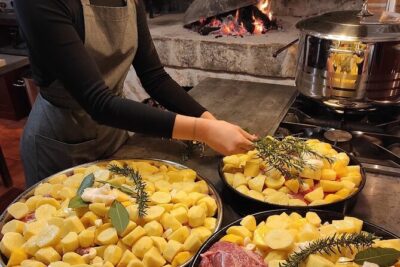
Authentic Garden to Table Cooking Class in Dubrovnik Countryside
Read our review →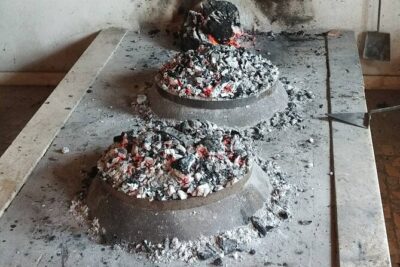
Croatian Traditional Cuisine: Peka Cooking Lesson
Read our review →
Browse the lists this tour appears in